What Size Storage Unit Do You Really Need? A Complete Guide to Choosing the Right Fit
Choosing a storage unit sounds simple until you begin estimating how much space your belongings actually require. A few boxes can quickly turn into several pieces of furniture, seasonal decorations, outdoor equipment, and appliances, making it surprisingly difficult to picture everything fitting into one space. Because of this, many people either rent a unit that is too small and run out of room or choose one that is much larger than necessary. Fortunately, understanding the dimensions of the most common storage unit sizes makes the decision much easier. Instead of guessing, you can compare each size with familiar spaces inside your home and determine which option best matches your needs. Whether you are organizing your garage, making room for a renovation, or storing household furniture for an extended period, selecting the right unit helps protect your belongings while making the most of your budget.
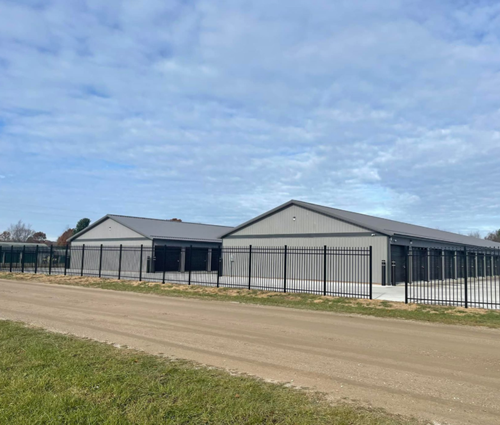
For those searching for storage options in Hart, MI, understanding unit sizes before renting is one of the easiest ways to simplify the entire storage experience. Up North Storage serves customers throughout western and southeastern Michigan with clean, secure facilities that make storing household belongings, business inventory, and recreational equipment convenient throughout the year. Hart is also an excellent home base for enjoying nearby destinations such as Silver Lake Sand Dunes, the Hart-Montague Trail State Park, and the beautiful Lake Michigan shoreline, making self-storage especially useful for keeping seasonal equipment organized between adventures.
Key Points for Readers Short on Time
- A 5x5 storage unit is similar to a small closet and works well for boxes and small furniture.
- A 5x10 unit can comfortably hold the contents of a studio apartment or a single bedroom.
- A 10x10 or 10x15 unit typically accommodates the contents of a one or two-bedroom home.
- Larger units like 10x20, 10x30, and 20x20 are ideal for full household moves, business inventory, or oversized equipment.
- Packing efficiently and organizing strategically can significantly increase the usable space inside any storage unit.
Why Storage Unit Size Matters More Than Most People Think
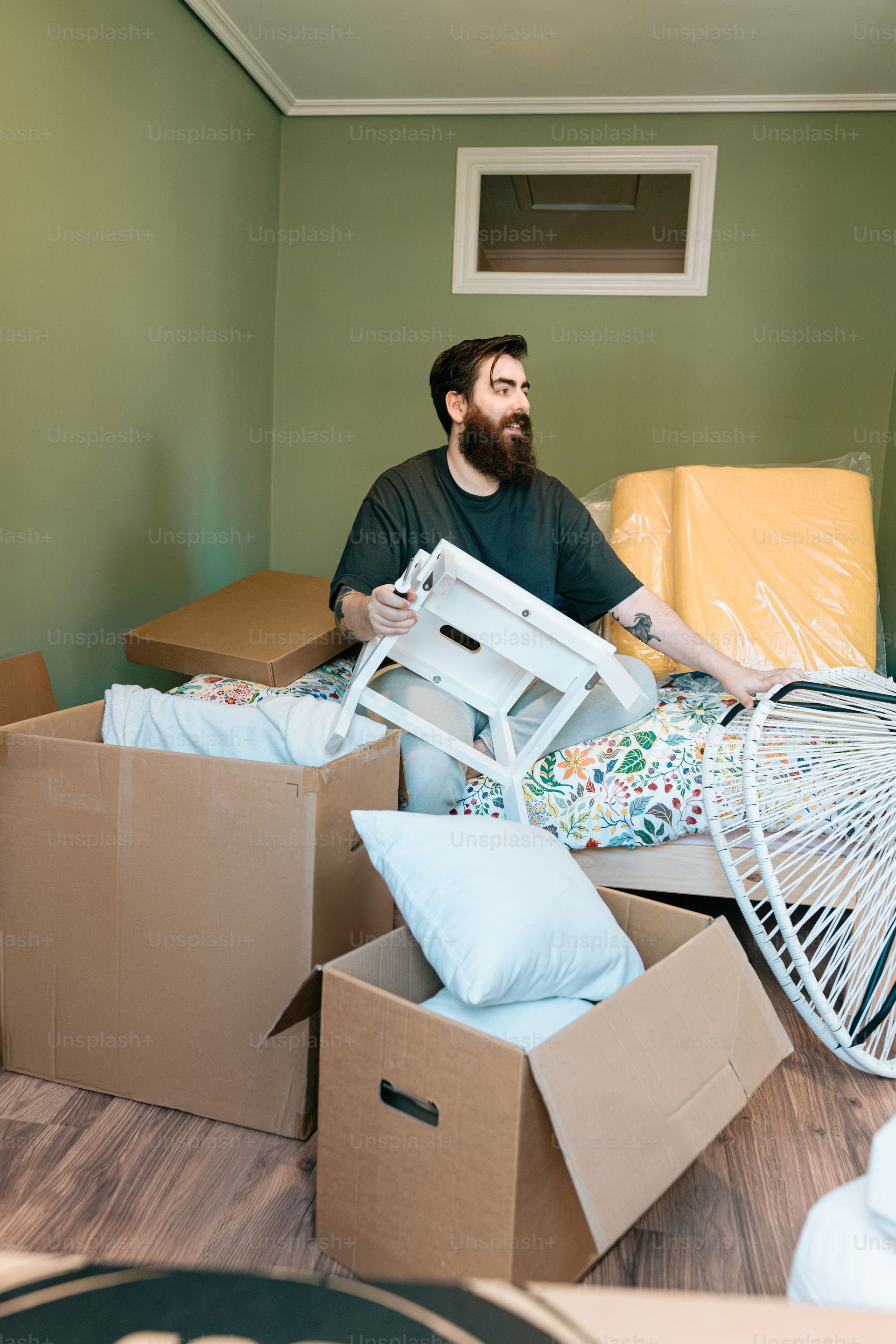
One of the biggest mistakes people make when renting a storage unit is focusing only on square footage without considering how they will actually arrange their belongings. While two units may seem similar on paper, the way furniture stacks, appliances fit together, and boxes are organized can dramatically affect how much usable space remains. For example, many people estimate the footprint of their furniture but forget to account for walking space if they plan to access items regularly. Others underestimate how much vertical storage they can safely utilize. As a result, selecting the proper size is about more than simply fitting everything inside. It is about creating an organized space that remains functional weeks or even months later.
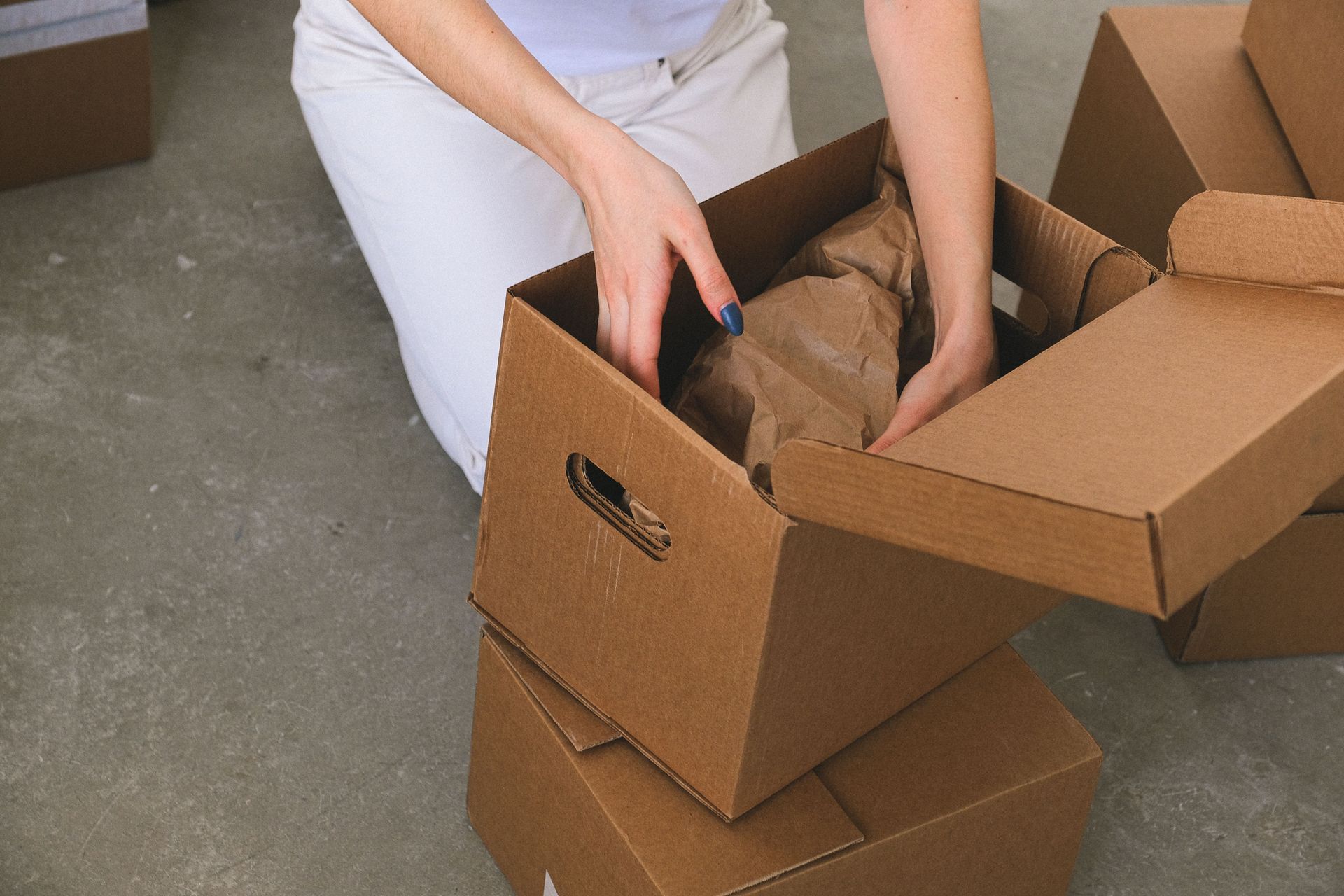
Additionally, choosing the right storage unit can save money over time. Renting a larger unit than necessary increases monthly costs, while squeezing everything into a smaller unit may increase the risk of damaged belongings or make accessing items unnecessarily difficult. Before moving into your storage unit, it also helps to understand how proper packing techniques can maximize every square foot. Our guide on packing your storage unit right the first time explains how thoughtful organization can make even smaller units feel surprisingly spacious.
How Big Is a 5x5 Storage Unit?
A 5x5 storage unit provides approximately 25 square feet of floor space. Although this is the smallest standard storage unit available at many facilities, it often holds much more than people expect. Imagine a walk-in closet, and you have a fairly accurate visual reference.
This size is ideal for storing personal belongings that do not require much floor space but still deserve protection from clutter at home. Whether you are organizing a spare bedroom, creating additional garage space, or temporarily storing items between projects, a 5x5 unit offers a practical solution.
Typically, this unit can accommodate:
- Several medium-sized moving boxes
- Holiday decorations
- Office files
- Small bookshelves
- End tables
- Folding chairs
- Lamps
- Sports equipment
- Small electronics
Even though the footprint is compact, stacking sturdy boxes and using shelving can maximize the available height, allowing considerably more storage than many first-time renters anticipate.
How Big Is a 5x10 Storage Unit?
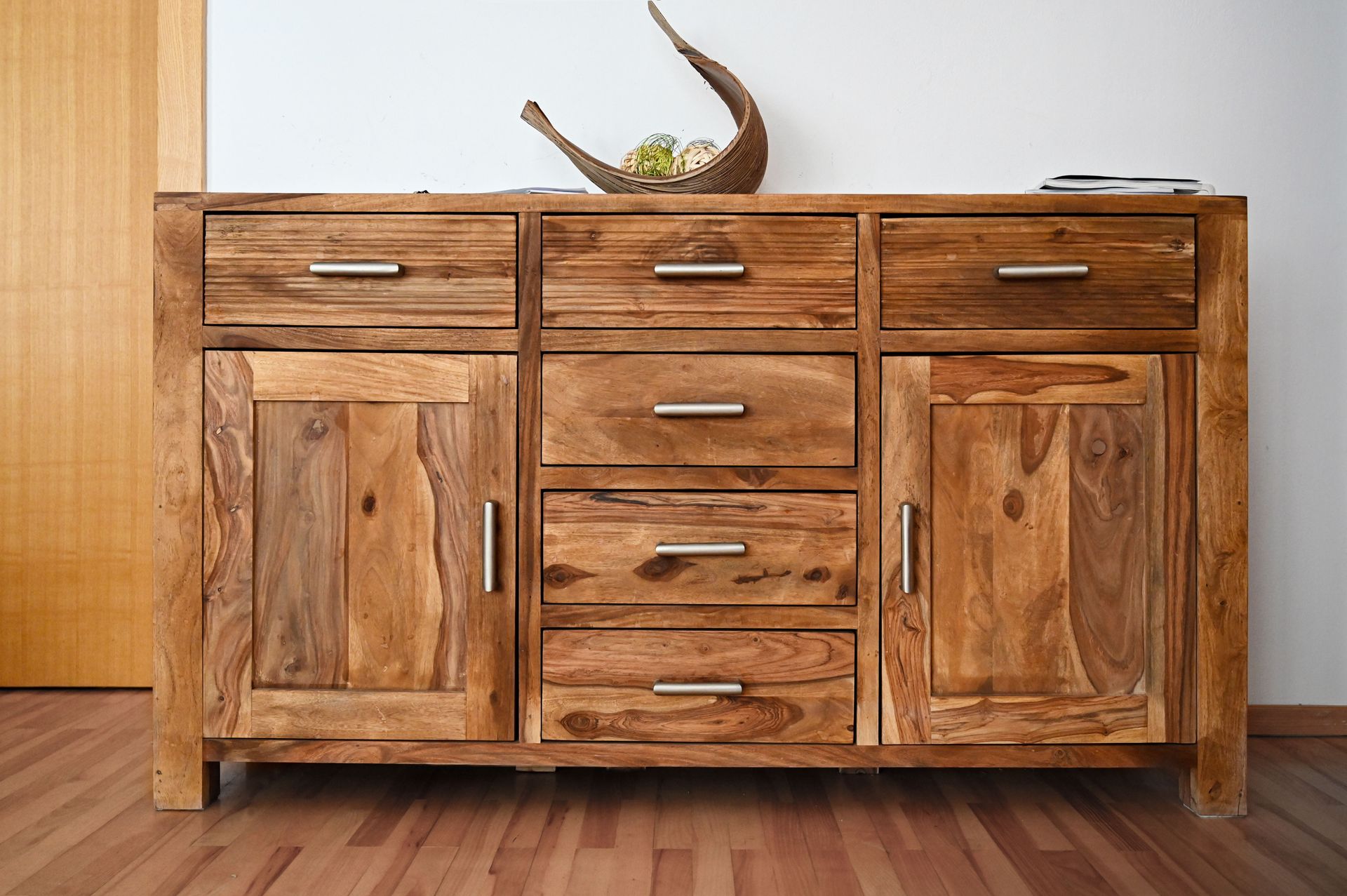
Moving up to a 5x10 storage unit doubles your available floor space to approximately 50 square feet. Comparable to a large walk-in closet, this size offers much more flexibility for storing furniture alongside boxed belongings without feeling cramped. Because of its versatility, it is one of the most popular storage unit sizes, especially for people living in studio apartments or one-bedroom homes who need temporary storage during a remodel, a move, or another life transition. A 5x10 unit can typically accommodate a queen-size mattress set, a small sofa, coffee tables, dressers, dining room chairs, bicycles, office furniture, and approximately twenty to thirty moving boxes. When arranged thoughtfully, there is often enough room to leave a narrow walkway, making it much easier to retrieve individual items without having to unpack the entire unit each time you visit. If your storage plans include household appliances, preparing them properly beforehand is equally important. Our article on how to store a washing machine during a move or remodel explains how to clean, dry, and protect appliances before placing them into storage.
How Big Is a 10x10 Storage Unit?
A 10x10 storage unit offers approximately 100 square feet of storage space and remains one of the most popular choices for residential storage. To help visualize its size, many people compare it to about half of a standard one-car garage. While that comparison is not exact, it provides a useful mental picture of how much furniture can comfortably fit inside. Generally speaking, this size accommodates the contents of a one-bedroom apartment or many smaller two-bedroom homes, including:
- Bedroom furniture
- Living room furniture
- Dining room table
- Major appliances
- Televisions
- Bookshelves
- Patio furniture
- Fifty or more moving boxes
Because this unit provides considerably more flexibility, many customers also create designated sections for frequently used belongings while placing long-term storage items toward the back.
How Big Is a 10x15 Storage Unit?
With approximately 150 square feet of floor space, a 10x15 storage unit offers additional room for larger households or growing families. This size is often selected during extensive remodeling projects because it comfortably accommodates furniture from multiple rooms while leaving enough space to organize belongings without excessive stacking. Rather than filling every available inch, renters can group similar items, making future access significantly easier.
A 10x15 unit commonly stores:
- Two-bedroom household furniture
- Large appliances
- Multiple bedroom sets
- Dining room furniture
- Home office equipment
- Exercise equipment
- Seasonal decorations
- Lawn equipment
- Dozens of storage containers
As storage needs increase, organization becomes increasingly important. Labeling every box clearly and maintaining an inventory list can save hours when searching for specific belongings later.
How Big Is a 10x20 Storage Unit?
A 10x20 storage unit provides approximately 200 square feet of storage space, making it an excellent option for customers moving from larger homes or storing business equipment. Many people choose this size because it comfortably accommodates the contents of a three- or four-bedroom home while still allowing room for larger recreational equipment. For residents throughout Hart, this can be particularly valuable after spending time exploring nearby attractions like Silver Lake Sand Dunes, Pentwater, or the Lake Michigan shoreline. Kayaks, paddleboards, fishing gear, camping equipment, bicycles, and other seasonal items often require more storage space than homeowners initially realize. In addition to recreational gear, a 10x20 unit can typically hold an entire household's furniture, major appliances such as refrigerators, washers, and dryers, riding lawn mowers, business inventory, large shelving units, and hundreds of moving boxes. As a result, this unit size provides plenty of flexibility for both residential and commercial storage needs while leaving enough room to organize belongings for easier access.
How Big Is a 10x30 Storage Unit?
For customers with extensive storage requirements, a 10x30 storage unit delivers approximately 300 square feet of usable floor space. This size is commonly selected during large household moves, estate transitions, or commercial storage projects where furniture, equipment, and inventory all need secure storage in one location. Rather than simply fitting more belongings, the additional space allows for improved organization. Furniture can remain assembled in many cases, larger appliances can stand upright, and aisles can be maintained throughout the unit.
Typical contents include:
- Four or five-bedroom household furniture
- Office workstations
- Commercial inventory
- Landscaping equipment
- Multiple mattress sets
- Recreational vehicles where facility rules permit
- Large workshop equipment
Because larger units often remain rented for longer periods, organizing items by category from the beginning makes future visits much more efficient.
How Big Is a 20x20 Storage Unit?
A 20x20 storage unit offers approximately 400 square feet of storage space, making it one of the largest standard options available. Comparable in size to a spacious two-car garage, this unit is frequently rented by businesses, contractors, collectors, and homeowners managing large-scale storage projects. Its generous dimensions can comfortably accommodate the contents of an entire household, including oversized furniture, multiple large appliances, and personal belongings, while still leaving room for organization. It is also well-suited for commercial inventory, warehouse shelving, construction materials, and equipment for growing businesses. Depending on the facility's policies, some locations may also allow vehicle storage within a unit of this size. Even with the abundance of space, organizing the unit thoughtfully is still important. Creating clearly defined sections and leaving access aisles between larger items makes it much easier to locate belongings and maintain an efficient storage layout throughout your rental period.
Simple Packing Strategies That Help Any Storage Unit Feel Larger
Regardless of which storage unit size you choose, proper organization can dramatically improve how efficiently the available space is used. In fact, thoughtful packing often allows customers to rent a slightly smaller unit without sacrificing accessibility. Some practical strategies include:
- Use uniformly sized moving boxes whenever possible.
- Place heavier boxes on the bottom and lighter ones on top.
- Disassemble tables, bed frames, and shelving units before storage.
- Store mattresses upright if recommended by the manufacturer.
- Label every box on multiple sides.
- Keep frequently needed items near the entrance.
- Leave a small aisle so belongings remain accessible throughout the rental period.
These simple habits not only maximize storage capacity but also help protect furniture and fragile belongings from unnecessary shifting.
Storage Around Hart, Michigan Supports Every Season
Residents throughout Hart enjoy easy access to outdoor recreation, making seasonal storage especially valuable. Whether your garage fills with bicycles after exploring the Hart-Montague Trail State Park, your camping equipment returns from a weekend near Silver Lake Sand Dunes, or your paddleboards need a secure place after spending time along Lake Michigan, having the right storage unit allows your home to remain organized throughout the year. Likewise, homeowners completing renovations, downsizing, or reorganizing living spaces benefit from knowing exactly how much room each storage unit provides before moving day arrives. Taking time to evaluate your belongings beforehand often prevents unnecessary stress and makes the entire storage process much smoother.
Ultimately, selecting the right storage unit comes down to balancing available space, accessibility, and future needs. By understanding how each size compares and planning your packing strategy, you can confidently choose a unit that protects your belongings while making the best use of your storage investment. For anyone comparing Up North Storage's storage options in Hart, MI, our additional nearby facilities include: