Your Wood Furniture Deserves Better: Smart Ways to Store It Without Climate Control
Storing wood furniture without climate control may sound risky at first, but the reality is that many pieces can remain in excellent condition for months or even years when they are prepared properly. While climate-controlled units offer additional protection, they are not always necessary for everyday furniture. Instead, the key lies in understanding how wood behaves over time and taking simple precautions before placing it into storage. A little extra effort up front can help preserve everything from dining tables and bookshelves to antique dressers and family heirlooms.
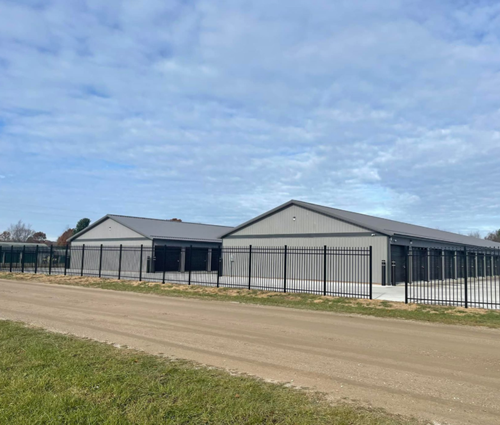
If you are exploring storage options in Hart, MI, it helps to pair a quality storage facility with proven storage practices. Doing so reduces the chances of scratches, warping, trapped moisture, and unnecessary wear, allowing your furniture to remain ready for use whenever you need it again. Hart, MI, is known for its small-town charm and convenient access to some of West Michigan's favorite outdoor destinations. Residents often spend their free time exploring Silver Lake State Park, visiting nearby Pentwater, or enjoying the many hiking and biking opportunities throughout Oceana County. Having a dependable storage solution allows homeowners to free up valuable living space while keeping furniture protected between renovations, seasonal changes, or moves.
Key Points for Readers Short on Time
- Clean and completely dry every piece of wood furniture before storing it.
- Disassemble larger furniture whenever possible to reduce stress on joints.
- Cover furniture with breathable materials instead of airtight plastic.
- Keep furniture elevated off concrete floors to improve airflow.
- Arrange your storage unit carefully so furniture has room to breathe and remains easy to inspect.
Why Proper Preparation Matters More Than Climate Control
One of the biggest misconceptions about storing wood furniture is that climate control is the only way to keep it safe. Although temperature and humidity certainly affect natural wood, proper preparation often plays an even larger role in protecting your belongings. In fact, furniture that is poorly packed inside a climate-controlled unit may still suffer damage, while furniture that is cleaned, wrapped correctly, and stored thoughtfully inside a traditional unit can remain in excellent shape for a very long time.
Wood is a living material, even after it has been crafted into furniture. It naturally expands and contracts over time as environmental conditions change. Because of this, the goal is not to eliminate every fluctuation but rather to reduce unnecessary stress on the material. When furniture is protected from excess moisture, direct pressure, dust, and pests, it has a much better chance of maintaining both its appearance and structural integrity. Before loading your unit, it is also worth reviewing How to Pack Your Storage Unit Like a Pro. Organizing your belongings efficiently not only helps maximize space but also prevents accidental damage while making future access much easier.
Begin with a Complete Cleaning
Perhaps the simplest yet most important step is thoroughly cleaning every piece before it goes into storage. Many people understandably focus on wrapping furniture as quickly as possible, but skipping this step allows dirt, body oils, food residue, and even invisible moisture to remain trapped against the wood for months. Instead, take your time cleaning each surface with products that are appropriate for finished wood. Soft microfiber cloths usually work well for removing dust, while wood-safe cleaners help eliminate grime without damaging protective finishes. Once cleaned, every piece should be allowed to dry completely before being covered. Pay particular attention to areas that are often overlooked, including drawer interiors, cabinet shelves, decorative carvings, table undersides, and chair legs. These hidden spaces tend to collect dust more quickly than visible surfaces and can hold lingering moisture if they are not properly cleaned beforehand. Although this preparation may seem time-consuming, it creates the foundation for successful long-term storage.
Protect the Finish Before Packing
After cleaning, many furniture experts recommend applying a light coat of furniture wax or polish to finished wood surfaces. This additional layer helps preserve the existing finish while providing some protection against dust accumulation during storage. However, moderation is important. Applying excessive polish may leave sticky residue that attracts dirt over time. Instead, use only products specifically recommended for wood furniture and follow the manufacturer's instructions whenever available. The American Hardwood Information Center provides additional guidance on caring for hardwood furniture and explains how different wood species naturally respond to environmental changes.
Disassemble Furniture Whenever It Makes Sense
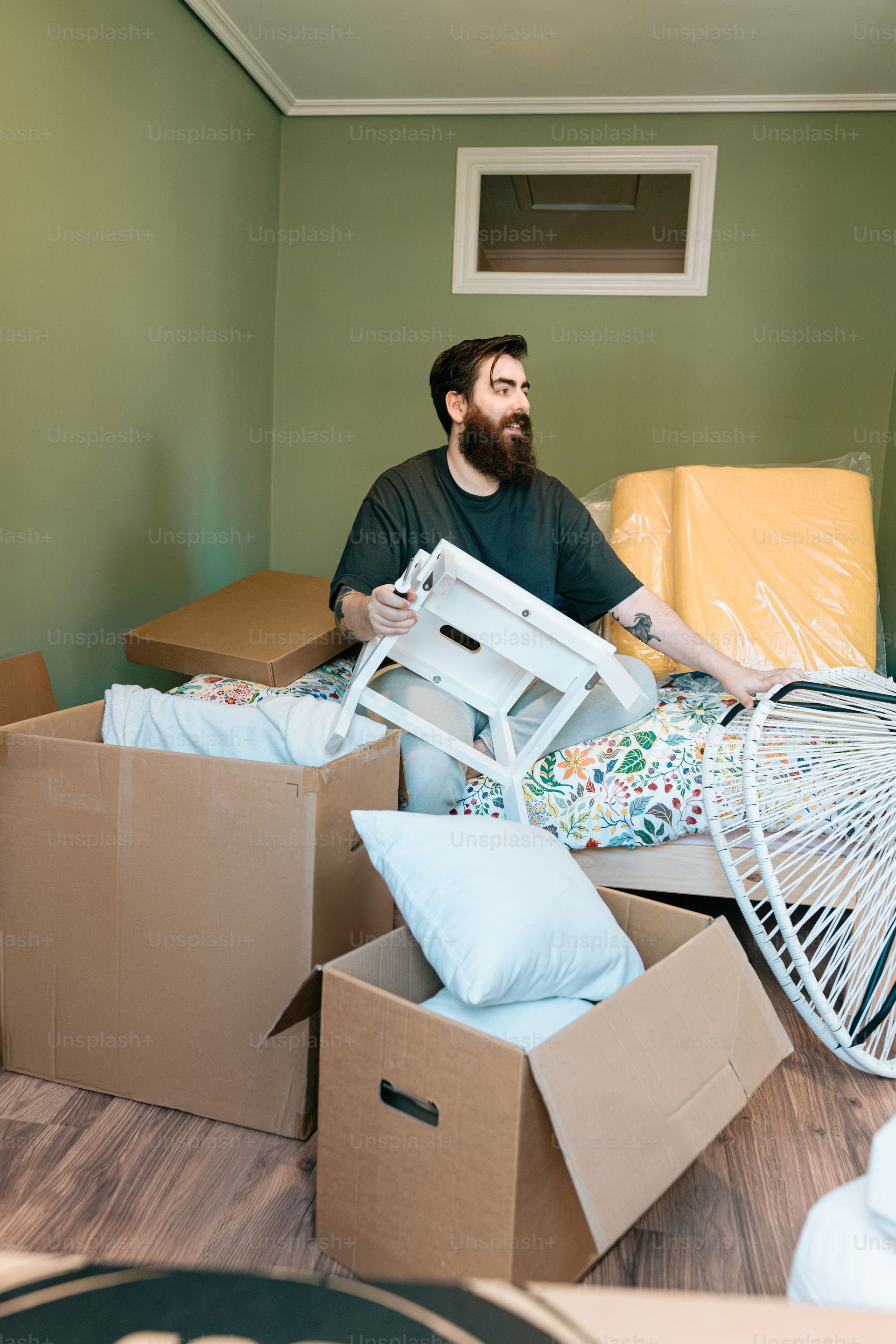
Large furniture often becomes much safer to store after partial disassembly. Although it requires a little extra work at the beginning, removing certain components reduces strain on joints and makes each item easier to transport without accidental bumps or scratches.
Whenever possible, consider removing:
- Table legs
- Bed rails
- Shelves
- Cabinet doors
- Glass panels
- Adjustable hardware
Next, place all screws, bolts, and small hardware inside labeled plastic bags. These can either be secured to the corresponding furniture piece or organized together inside a clearly labeled container. Future reassembly becomes much simpler when every part stays together. As an added benefit, disassembled furniture typically allows for more efficient use of your storage unit without placing unnecessary pressure on delicate frames.
Choose Breathable Covers Instead of Plastic
One of the most common mistakes people make is wrapping wood furniture entirely in plastic sheeting. While plastic may seem like the safest option because it keeps dust away, it can also trap moisture that naturally develops over time. Without proper airflow, condensation may remain against the wood surface for extended periods. Instead, breathable materials offer significantly better protection. Moving blankets, cotton sheets, furniture pads, and specialized fabric covers help shield furniture from dust while still allowing air to circulate naturally. If stretch wrap is needed to hold blankets securely in place, use it sparingly rather than sealing every surface tightly. This small adjustment can make a surprisingly large difference during long-term storage.
Keep Furniture Elevated for Better Airflow
Another simple precaution involves raising furniture slightly above the floor. Although modern storage facilities are designed to remain clean and dry, concrete floors can slowly transfer small amounts of moisture over long periods. Fortunately, preventing this issue is straightforward. Wooden pallets, sturdy shelving, or treated wooden blocks create a barrier between furniture and the floor while also improving airflow underneath each piece. Likewise, avoid pushing furniture tightly against exterior walls whenever possible. Leaving several inches of space around larger items encourages natural air circulation throughout the unit and makes periodic inspections much easier.
Avoid Overpacking the Storage Unit
It can be tempting to maximize every available inch inside a storage unit, especially during a move. However, furniture benefits from having a little breathing room. Heavy boxes stacked directly on tabletops, chair backs, or cabinet tops may gradually weaken joints or leave permanent impressions in softer wood species. Instead, distribute weight carefully by placing heavier items on sturdy shelving or directly on pallets while allowing furniture to stand independently. Planning your layout before moving everything inside usually results in a safer, more organized storage unit that is easier to access later. If you are still deciding what belongs in storage, the guide What to Keep in Storage vs. What to Donate or Throw Away offers practical advice that can help reduce clutter before packing even begins.
Protect Furniture from Dust and Pests
Even in clean storage facilities, taking a few preventive measures adds another layer of protection. First, avoid storing anything that could attract unwanted pests. Food, birdseed, pet food, scented candles, or opened household products should never be placed near wood furniture. Second, consider leaving drawers and cabinet doors slightly open. This allows gentle airflow throughout enclosed spaces and helps prevent stale air from lingering inside furniture. Finally, moisture-absorbing products designed specifically for enclosed storage spaces may provide additional protection when used according to the manufacturer's instructions. These simple habits work together to create a healthier storage environment without requiring expensive upgrades.
Inspect Your Furniture Occasionally
If your furniture will remain in storage for many months, periodic visits are worthwhile. Rather than waiting until moving day to discover potential issues, checking on your belongings every few months allows you to identify small concerns before they become larger problems. During each visit, take a few moments to inspect protective covers, confirm furniture remains elevated, look for signs of shifting boxes, and ensure there is still adequate airflow throughout the unit. Fortunately, these inspections rarely take more than a few minutes, yet they provide valuable peace of mind over the long term.
Why Storage Makes Sense Around Hart, MI
Many homeowners throughout Hart and the surrounding communities find that self-storage becomes especially valuable during home improvement projects, downsizing, estate organization, or seasonal transitions. Instead of overcrowding garages or spare bedrooms, a well-organized storage unit provides a secure place for furniture that is not currently needed while helping preserve valuable living space at home. Beyond everyday storage needs, Hart also serves as a gateway to some of West Michigan's most popular outdoor destinations. Residents and visitors alike enjoy exploring Silver Lake State Park, the scenic beaches along Lake Michigan, and the many trails and parks maintained throughout Oceana County. Additional information about local recreation can be found through the Michigan Department of Natural Resources and the Silver Lake Sand Dunes Visitors Bureau, both of which provide excellent resources for planning activities throughout the area. Whether furniture is being stored during a remodeling project or simply to create additional living space, thoughtful preparation helps ensure each piece remains ready for use long after it is placed into storage.
Storing wood furniture without climate control is entirely possible when you focus on preparation instead of shortcuts. Cleaning each piece thoroughly, protecting the finish, allowing proper airflow, and organizing the storage unit carefully all work together to reduce unnecessary wear over time. While no storage environment is completely identical, following these best practices provides dependable protection for furniture of nearly every style and age. For those comparing Up North Storage's storage options in Hart, MI, we have additional nearby locations in: