By Josh Summerhays
•
January 30, 2026
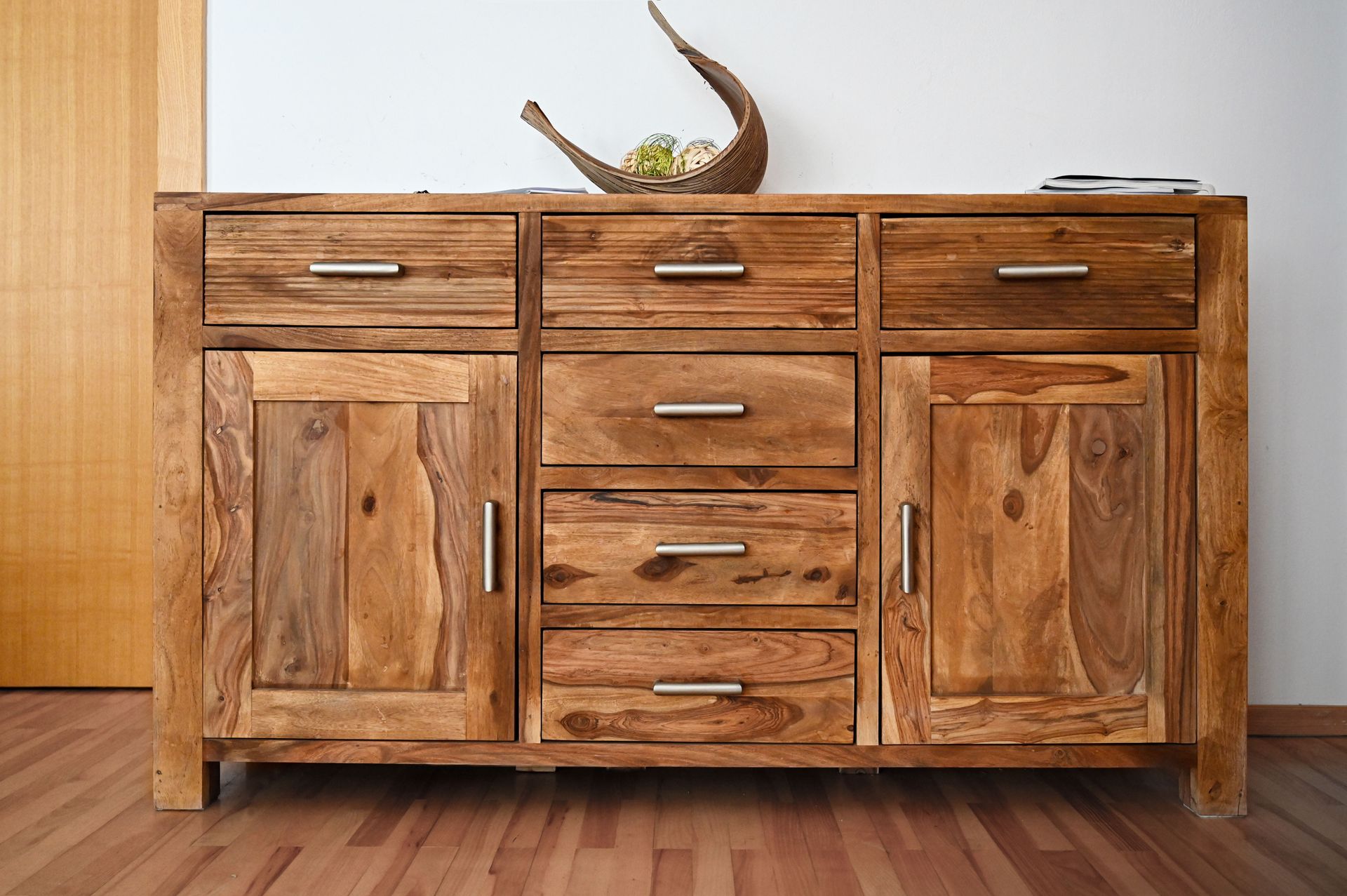
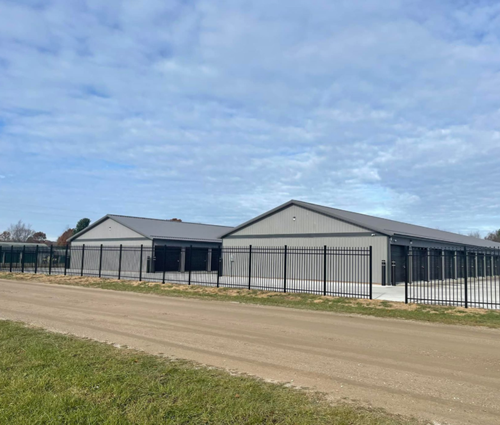
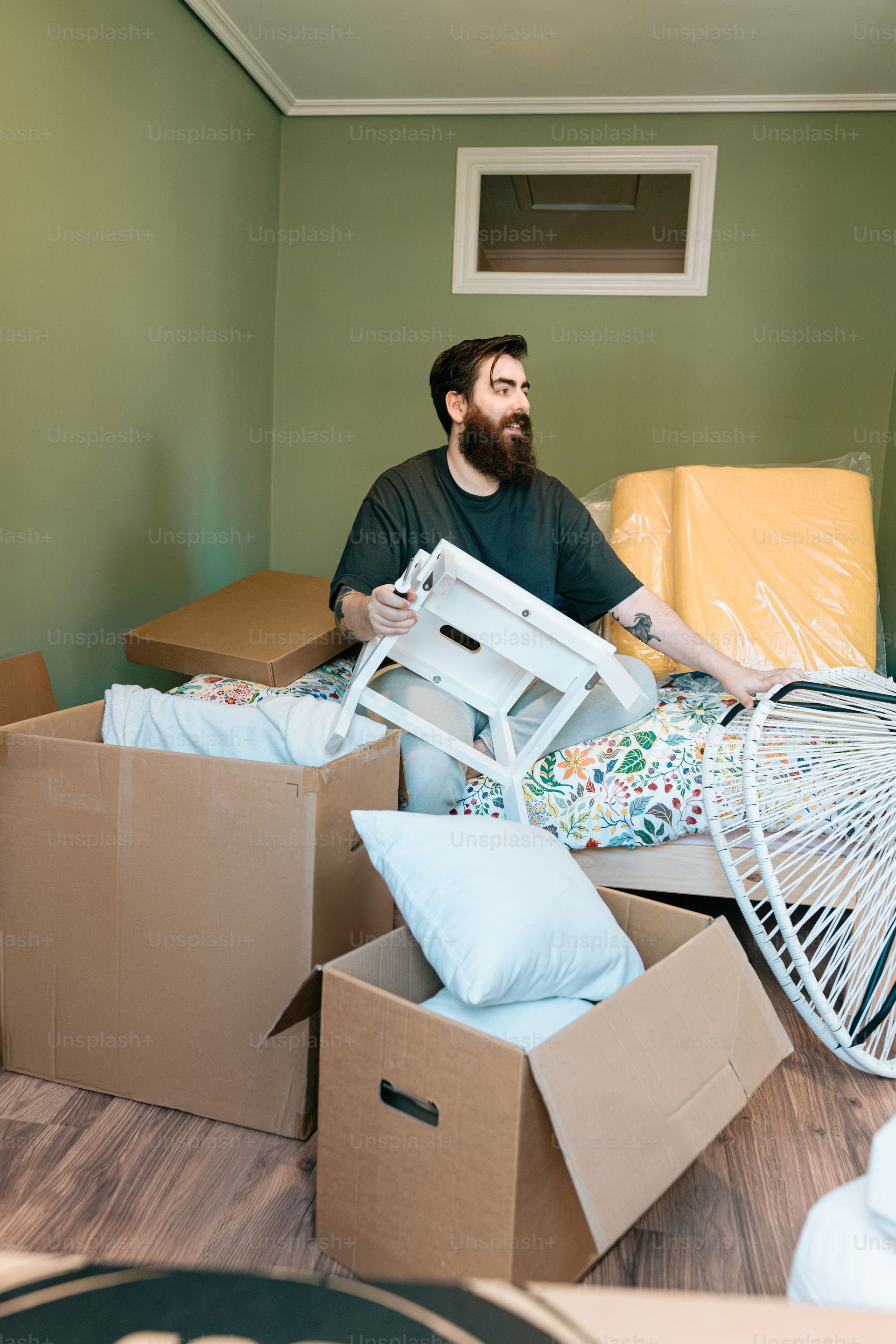
Storing belongings is never just about finding space. Location matters, and so does climate. For residents and seasonal property owners, understanding the climate in Hart, MI plays an important role in deciding how to store items safely throughout the year. Hart experiences distinct seasons, changing temperatures, and varying moisture levels that can all affect stored belongings if proper precautions are not taken. This guide explains what the climate in Hart looks like across the year and how to adjust storage practices to protect furniture, documents, electronics, and sentimental items. An Overview of the Climate in Hart, MI Hart is located in western Michigan, just east of Lake Michigan. Its proximity to the lake influences weather patterns year round. According to WeatherSpark data, Hart experiences cold winters, mild to warm summers, and moderate precipitation spread throughout the year. Winter temperatures frequently drop below freezing, with snowfall occurring regularly from late fall through early spring. Snow cover and freeze thaw cycles are common. Summers are generally comfortable, with average highs in the 70s and occasional spikes during heat waves. Humidity levels rise in the warmer months, particularly during July and August. Spring and fall bring fluctuating temperatures and increased moisture. These transitional seasons often create the greatest storage risks due to condensation caused by temperature swings. Understanding these patterns is essential when storing in Hart MI, especially for items sensitive to temperature and humidity changes. Climate details referenced from WeatherSpark and local information from the City of Hart help paint an accurate picture of storage conditions residents should expect. How Hart’s Climate Affects Stored Items Different materials respond differently to environmental changes. In Hart, moisture and temperature shifts are the two most significant factors to consider. Wood furniture can expand and contract with changes in humidity. Over time, this may cause warping or cracking if not properly protected. Upholstered furniture can absorb moisture, increasing the risk of mildew. Paper based items such as documents, books, and photographs are especially vulnerable. High humidity can lead to curling, fading, or mold growth. Electronics are also sensitive to moisture and extreme cold. Condensation inside devices can cause corrosion or internal damage. Clothing, seasonal décor, and family heirlooms can also be impacted if stored without proper preparation. Taking climate into account helps prevent long term damage and unnecessary replacement costs. Cold Weather Storage Precautions in Hart, MI Winter storage in Hart requires extra attention. Extended freezing temperatures can damage items that are not properly packed. Electronics should be cleaned, dried, and stored in sealed containers. Batteries should be removed when possible to prevent corrosion. Liquids should never be stored, as freezing can cause containers to burst. Furniture benefits from breathable covers rather than plastic wrap, which can trap moisture. Elevating items slightly off the ground helps protect against cold floors and potential moisture intrusion. Documents and photos should be stored in weather resistant bins with added moisture control products. Proper packing methods are critical when preserving sentimental items. Warm Weather and Humidity Considerations While summers in Hart are not extreme, humidity levels can still affect stored belongings. Warm air holds more moisture, which can create condensation inside storage units if airflow is limited. Using sturdy containers and avoiding cardboard for long term storage can reduce moisture exposure. Items should be packed clean and dry. Adding moisture absorbers can help regulate humidity within the unit. Air circulation inside the unit also matters. Avoid stacking items tightly against walls. Leave small gaps to allow air movement. This helps reduce the risk of mildew forming during extended warm periods. Understanding the climate in Hart MI during summer months allows for proactive storage decisions rather than reactive cleanup later. Spring and Fall Transition Risks Spring and fall are often overlooked when planning storage, yet these seasons can present unique challenges. Rapid temperature shifts between day and night can cause condensation to form on surfaces. This moisture can settle on metal, wood, and fabric. Over time, repeated exposure may lead to rust, warping, or mold. Items stored during these seasons should be checked periodically to ensure conditions remain stable. Using consistent packing materials year round and avoiding last minute storage without preparation helps reduce risks associated with transitional weather. Choosing the Right Packing Materials Packing materials play a major role in protecting belongings from Hart’s climate. Plastic bins with tight fitting lids provide better moisture resistance than cardboard boxes. Vacuum sealed bags can work for clothing but should only be used on clean and completely dry items. Furniture covers should allow airflow. Avoid using non-breathable plastic for long term storage. Acid free paper is recommended for wrapping documents and photographs. Labeling bins clearly also reduces unnecessary handling. Less movement means less exposure to changing conditions. Protecting Against Pests in a Seasonal Climate Changing seasons can also increase pest activity. As temperatures drop, rodents and insects look for shelter. Improperly packed items may attract unwanted visitors. Avoid storing food or scented items. Clean all belongings before storage. Use sealed containers whenever possible. Elevate items off the floor and keep walkways clear. These things are important to consider to ensure you are keeping bugs and critters out of your storage. Storage Planning for Hart Residents People storing in Hart MI often include year round residents, seasonal homeowners, and small businesses. Each group benefits from climate awareness. Seasonal residents should plan storage around arrival and departure times. Checking items at the beginning and end of each season helps catch issues early. Businesses storing inventory or records should prioritize moisture control and consistent organization. Up North Storage Facilities provides local storage options designed to support the needs of the Hart community. Storing locally allows for easier access and better familiarity with regional conditions. Why Climate Awareness Matters When Storing in Hart, MI Climate is not just a background detail. It directly affects the longevity of stored belongings. Taking time to understand seasonal patterns helps reduce damage, preserve value, and prevent costly replacements. From freezing winters to humid summers, Hart’s climate requires thoughtful storage preparation. Simple steps such as proper packing, moisture control, and regular checks can make a significant difference. Storing in Hart MI becomes far more effective when climate considerations guide decisions from the start. Final Thoughts Understanding the climate in Hart MI is essential for anyone planning to store belongings short term or long term. Seasonal temperature changes, humidity, and moisture exposure all play a role in how items age while in storage. Up North Storage Facilities can help you prepare items carefully, choose appropriate materials, and account for Hart’s unique weather patterns to ensure your stored belongings remain protected throughout the year. Thoughtful planning ensures that when items are retrieved, they are in the same condition as when they were stored.