10 Storage Unit Packing Mistakes That Make Moving Day Harder
Moving belongings into a storage unit seems straightforward until you have to find one box six weeks later or discover that a heavy tote has crushed everything beneath it. Most packing problems don't come from one major mistake. They start with small decisions during loading that make the space harder to use later.
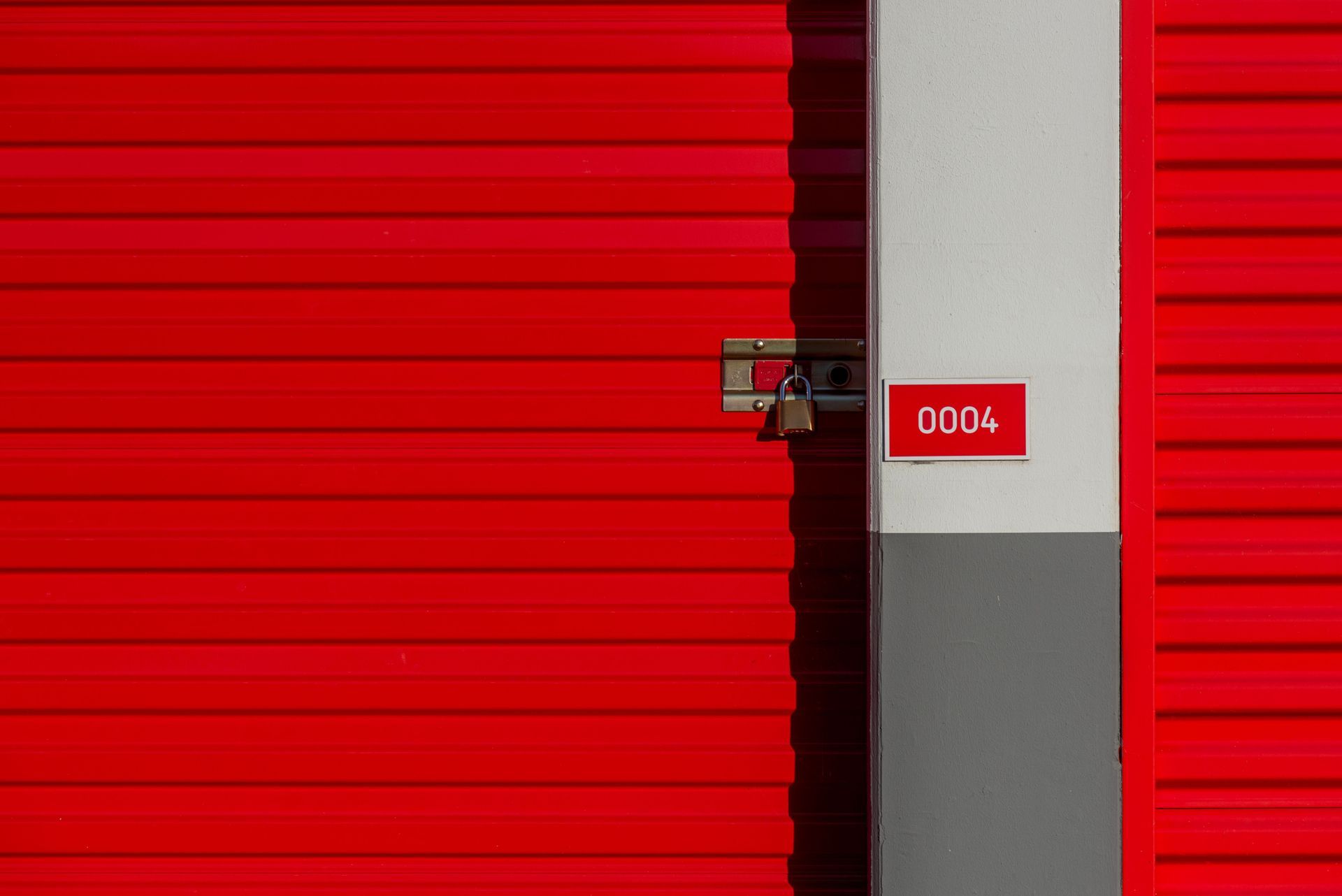
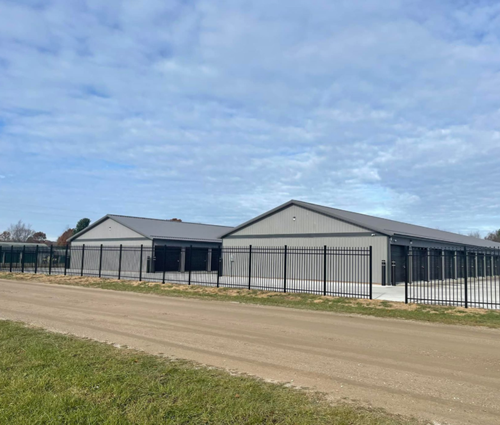
A little planning before move-in can prevent much of that trouble. Up North Storage's Hart facility is at 6464 N 72nd Ave, just off US 31, and offers drive-up units with wide aisles and 24-hour tenant access. If you're still deciding how much room you need, reviewing the available storage options in Hart, MI before packing gives you a clearer idea of the space you're working with.
Here are 10 mistakes worth avoiding before the first box goes through the door.
1. Choosing a Unit Before You Know What You're Storing
Packing problems sometimes begin before packing does. If you rent based on a rough guess, you may end up trying to squeeze too much into the available floor space or paying for room you don't need. Start with an inventory. Count your boxes, list furniture and appliances separately, and note anything awkwardly shaped that won't stack. Then compare that list with a storage unit size guide instead of estimating from memory. Don't forget access when you calculate the space you'll need. A unit may technically hold everything and still be too crowded to use comfortably if you expect to retrieve belongings during the rental.
2. Packing Dirty or Damp Belongings
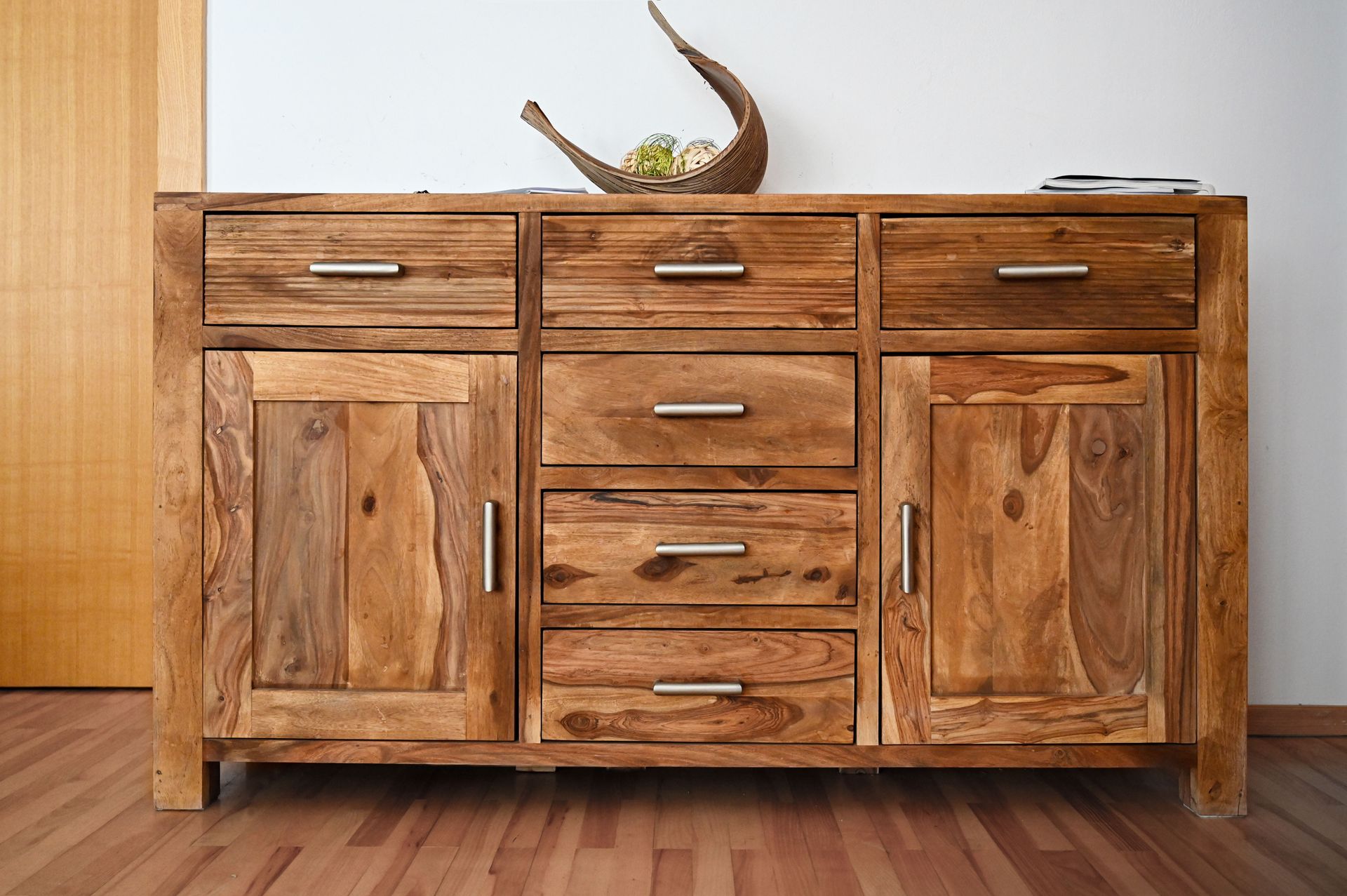
Putting something away dirty creates problems that better wrapping won't fix. Outdoor equipment may carry dirt into the unit, while furniture and household items can have residue that becomes harder to remove after sitting for months. Clean belongings before packing and give them enough time to dry completely. Pay particular attention to fabric, appliances, outdoor equipment, and furniture with drawers or enclosed compartments. Wood pieces need their own preparation. Up North Storage's guide to storing wood furniture without climate control covers cleaning, breathable covers, disassembly, and other precautions for furniture that will remain put away for an extended period.
3. Using Weak Boxes for Heavy Items
A box that survives the trip from the house to the vehicle isn't necessarily strong enough to sit at the bottom of a stack. Books, dishes, tools, and other dense belongings become heavy quickly. Pack them in sturdy containers that are manageable to lift, rather than filling one oversized box to the top. Lighter belongings can go into larger containers without creating the same problem. Pay attention to the condition of reused cardboard too. A box with a soft bottom, torn corners, or crushed sides isn't a good foundation for anything stacked above it.
4. Mixing Heavy and Fragile Boxes in the Same Stack
Good stacking starts with weight, not with whichever boxes happen to arrive first. Keep sturdy, heavier containers toward the bottom and lighter ones above them. Fragile boxes shouldn't support other containers, even when they seem solid after being packed. Fill space inside boxes containing breakable items so the contents don't shift during transport. The same rule applies beyond cardboard. Don't use furniture as makeshift shelving simply because there's an open surface. A tabletop, chair seat, or dresser top may not be designed to support several heavy containers for months.
5. Leaving Furniture Fully Assembled When It Doesn't Need to Be
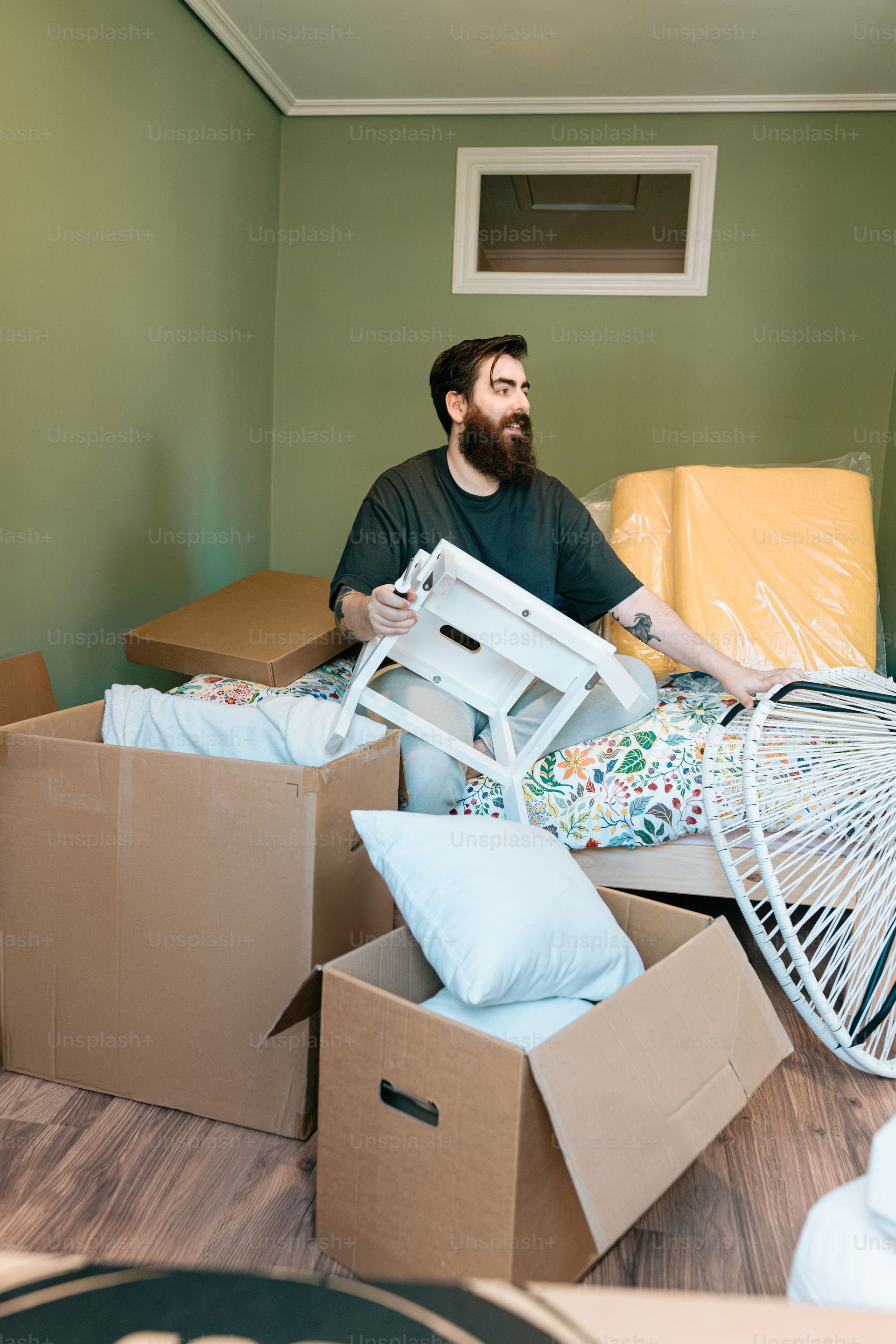
Large tables, bed frames, and shelving can consume more room than necessary. They can also be harder to carry through a doorway without hitting walls, other furniture, or the unit entrance. When the design permits it, remove legs, shelves, bed rails, and other detachable parts. Put screws and hardware in labeled bags so you aren't searching through unrelated boxes when it's time to reassemble the piece. Don't dismantle something simply to save a few inches if you're unsure how it comes apart. Manufacturer instructions should take priority over a packing shortcut.
6. Sealing Wood Furniture in Plastic
Plastic wrap seems like an easy way to keep dust away, but completely sealing wood furniture in non-breathable material can trap moisture against the surface. Breathable furniture covers, moving blankets, cotton sheets, or furniture pads are better choices for long-term coverage. Protect the finish without turning the wrapping into another source of trouble. If stretch wrap is needed to hold a moving blanket in place, use it to secure the cover rather than tightly sealing the entire piece. Keep heavy boxes off furniture as well. Protecting a table carefully doesn't accomplish much if several containers spend the rental pressing down on its top.
7. Filling Every Inch of Floor Space
Using your available space efficiently is sensible. Packing it so tightly that you can't reach anything beyond the door isn't. Before unloading, decide which belongings you expect to retrieve first. Put long-term items toward the back and keep frequently needed boxes closer to the entrance. If you'll visit regularly, preserve an aisle instead of building one solid wall of belongings.
This is especially useful around Hart if you're rotating recreational equipment during the year. Nearby Silver Lake State Park includes boating access, paddling opportunities, and the 450-acre Silver Lake ORV Area, so local households may have gear that comes in and out rather than remaining packed away indefinitely. Up North Storage provides 24-hour tenant access at our Hart property, but that access is far more useful when the item you need isn't buried behind everything else.
8. Labeling Boxes Too Vaguely
"Kitchen" doesn't tell you whether a box contains everyday dishes, a mixer, or items you won't need until your next move. Use labels that describe the contents well enough to identify the box without opening it. "Kitchen: baking pans and mixing bowls" is more useful than a room name alone. For a larger move, adding a simple box number lets you match each container to a written or digital inventory. Place labels where they'll remain visible after stacking. A detailed label on the top of a box isn't much help once another box is sitting on it.
9. Loading in Whatever Order Items Arrive
Moving day gets slower when the unit is packed directly from the vehicle with no plan. A large item that should have gone in the back may arrive after several rows of boxes are already in place. Sketch a rough layout beforehand. Large furniture and belongings you won't need soon usually belong farther back. Items you expect to retrieve should remain closer to the entrance, while boxes that stack well can occupy vertical space without blocking larger pieces. Up North Storage's Hart facility has drive-up accessible units and wide aisles, so renters can pull a vehicle up to the unit for loading and unloading. That makes it easier to organize belongings as they come out of the vehicle instead of carrying everything to a staging area first.
10. Packing Without Thinking About the Next Visit
The best test of a packing plan isn't whether you can close the door on move-in day. It's whether the space still works when you return. Before you finish, check that labels are visible and the items you're likely to need remain reachable. Make sure tall stacks are stable, and nothing heavy is resting on fragile boxes or delicate furniture. If you created an aisle, don't fill it with the last few items simply because there's room. Take a photo of the finished layout before leaving. For a larger unit, an inventory noting where major categories are located can save you from opening a dozen boxes later.
Pack for Access, Not Just Capacity
A well-packed unit should work after moving day, not merely hold everything you brought. Choosing enough space, cleaning belongings first, stacking according to weight, protecting furniture correctly, and preserving access all reduce the amount of rearranging you'll have to do later. At our Hart property, renters have drive-up access, wide aisles, online account management, and 24-hour access to their units. The facility is fully fenced and monitored by security cameras. Up North Storage also offers month-to-month rentals, so the space can serve a short transition or a longer storage plan.
If Hart isn't the location you're comparing, you can explore storage options from Up North Storage for customers near Shelby Township or review our Ludington storage facility information. Checking the available space and access details first gives you something concrete to plan around before the boxes start piling up.