Stop Playing Storage Tetris: Smart Storage Tips for Packing Your Unit Right the First Time
Packing a storage unit sounds simple at first. Most people assume they can place boxes inside, stack a few bins, slide furniture against the walls, and move on with their day. However, after a few months, many renters realize the unit has become difficult to navigate. Boxes are buried behind furniture, fragile belongings have shifted under heavy weight, and finding one specific item suddenly turns into an hour-long project. That frustration usually comes from one problem: the unit was packed too quickly without a long-term plan. Fortunately, organizing a storage unit properly from the beginning can save an enormous amount of time, money, and stress later. With the right approach, your unit becomes easier to access, safer for delicate belongings, and far more efficient overall.
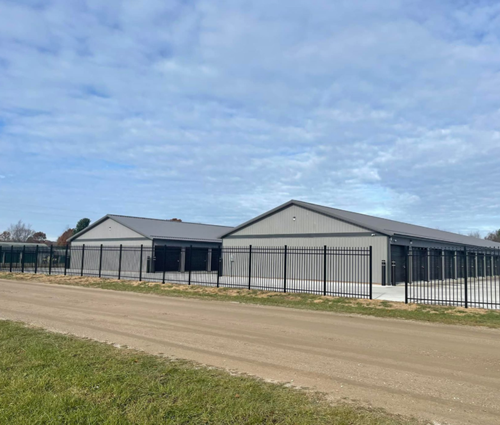
For households in Hart, MI, storage needs often change throughout the year. Residents frequently rotate seasonal equipment connected to outdoor recreation, lake activities, camping trips, and winter weather. Oceana County’s proximity to Lake Michigan and destinations like Silver Lake Sand Dunes means garages and closets can fill up quickly with outdoor gear. That is why many families explore storage options in Hart, MI, to create additional space while keeping seasonal belongings organized and protected. At the same time, packing your storage unit correctly the first time also helps preserve the condition of your belongings. A carefully organized unit reduces shifting, improves airflow, prevents overcrowding, and minimizes the risk of accidental damage. Instead of reopening the unit months later and feeling overwhelmed, you can step inside knowing exactly where everything belongs.
Key Points for Readers Short on Time
- Plan your storage layout before moving items into the unit
- Label boxes clearly so belongings are easy to locate later
- Store seasonal items based on how often they will be used
- Protect belongings from Michigan humidity and temperature changes
- Leave walking space inside the unit for accessibility and airflow
Why Proper Packing Matters More Than Most People Realize
Many storage problems do not appear immediately. In fact, a poorly organized unit can seem perfectly fine during move-in day because everything technically fits inside. The real issues begin later when you need to retrieve something quickly or discover that boxes have shifted under uneven weight. For example, heavy furniture placed on top of weak cardboard boxes can cause crushing over time. Similarly, stacking fragile items too high may create instability that leads to breakage months later. In other cases, people simply forget what they stored and where they placed it because the layout lacked organization from the start.
This becomes especially important for long-term storage situations. According to the National Park Service’s preservation recommendations, household belongings last longer when they are stored in stable environments with proper organization and airflow. Moisture buildup, overcrowding, and unstable stacking can gradually damage sensitive materials over time. Additionally, proper organization creates practical day-to-day benefits. Instead of unpacking half the unit to locate holiday decorations or sports equipment, you can access what you need quickly and efficiently. That convenience becomes particularly valuable during Michigan’s changing seasons when storage needs rotate frequently throughout the year.
Start With a Storage Plan Before Loading Anything
One of the most effective storage tips is surprisingly simple: create a plan before placing the first box inside the unit. Without a strategy, people tend to fill empty spaces randomly as the moving process becomes rushed and tiring. Unfortunately, random placement almost always creates accessibility problems later. Instead, take a few minutes to think about how you will use the space months from now rather than focusing only on move-in day.
Begin by grouping belongings into categories. Seasonal decorations, recreational equipment, furniture, documents, kitchen supplies, and sentimental items should each have designated sections. Once categories are established, you can begin determining which items deserve front placement and which can remain toward the back. For example, summer camping gear or beach supplies may need easier access for Hart residents during warmer months. Meanwhile, winter equipment might stay deeper in the unit until colder weather returns. Thinking ahead in this way prevents constant reorganizing later. Creating a rough map of the unit can also help maximize space. Even a simple sketch showing where major items will go makes the loading process much smoother. If you want more organization ideas before packing, this article on how to pack your storage unit like a pro offers additional strategies for arranging belongings efficiently.
Choose Strong Packing Supplies From the Beginning
Another common mistake involves using whatever boxes happen to be available. While recycled grocery boxes or worn cardboard containers may seem convenient initially, they often collapse under pressure over time. Instead, durable packing materials create a far safer and more stable environment for storage. Uniform box sizes are especially helpful because they stack more evenly and reduce wasted space between containers. Heavy-duty plastic bins also work well for seasonal items, outdoor gear, or belongings stored for long periods.
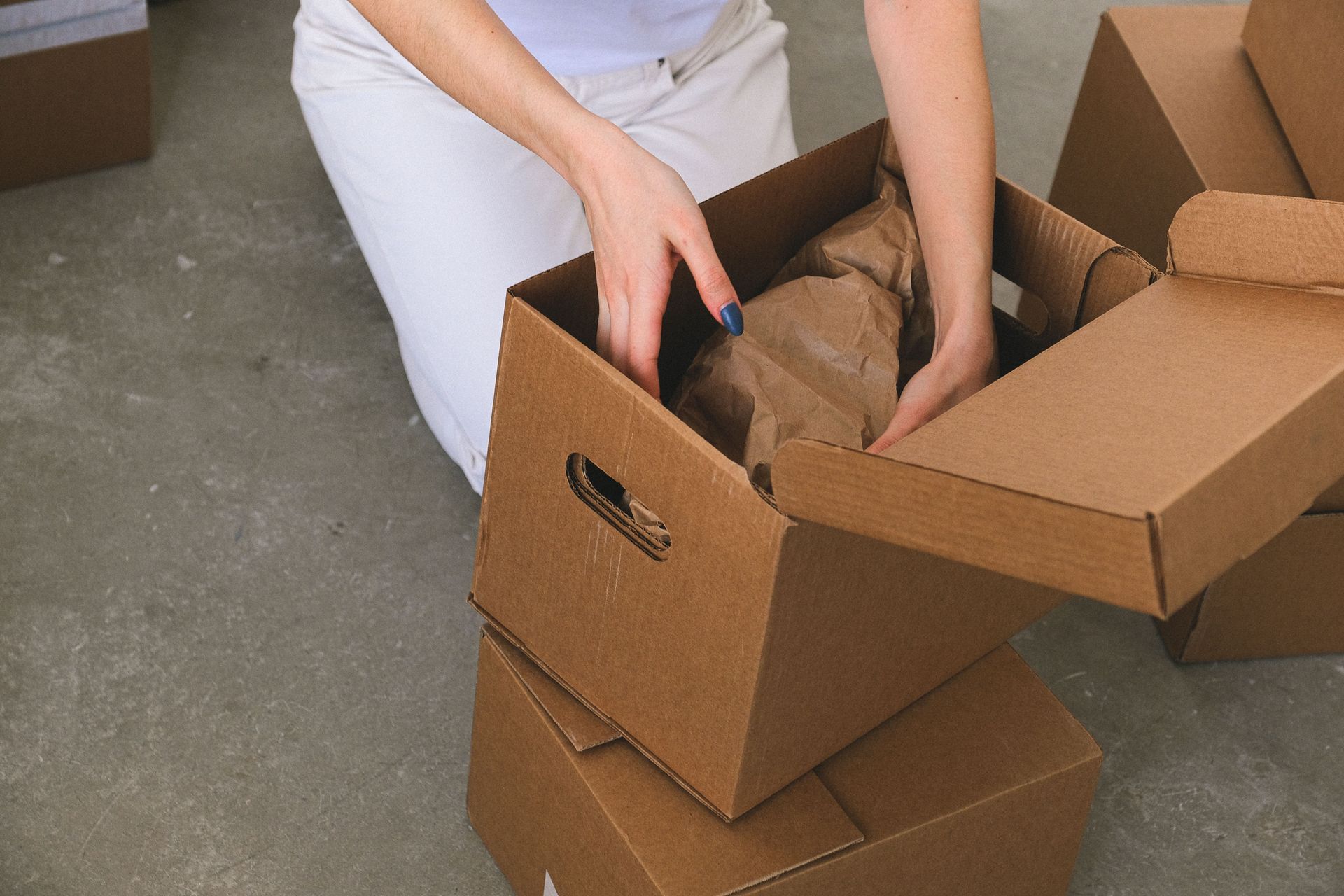
Equally important, fragile belongings deserve extra preparation before entering storage. Dishes, glassware, framed artwork, and electronics should always be wrapped carefully using protective materials like bubble wrap, packing paper, or clean linens. Furniture preparation matters just as much. Wooden surfaces should be cleaned thoroughly before storage because dust and residue can settle into finishes over time. Additionally, furniture covers help reduce dust accumulation while still allowing airflow around stored items. At the same time, avoid wrapping furniture too tightly in plastic. Although plastic seems protective, it can sometimes trap moisture and contribute to mildew growth during humid periods.
Create Clear Pathways Inside the Unit
Once people begin stacking belongings, they often focus entirely on maximizing space. While efficiency matters, accessibility should never be ignored. A tightly packed unit without walkways may hold more items initially, but it becomes frustrating to navigate later. Therefore, leaving a narrow aisle through the center of the unit is one of the smartest decisions you can make. This walkway serves several purposes. First, it allows easier access to belongings throughout the unit. Second, it improves airflow between stored items, which helps reduce moisture buildup. Third, it minimizes the need to move heavy boxes repeatedly whenever you need something from the back.
In addition, storing items vertically can significantly improve organization. Place heavier boxes on the bottom and lighter containers on top to create safer stacks. Furniture should line the walls whenever possible so the center space remains open and functional. Think of the storage unit as a small room rather than a temporary pile of belongings. The more intentional the layout becomes, the easier it will function long term.
Protect Your Belongings From Michigan’s Seasonal Conditions
Michigan’s changing weather patterns create unique storage considerations throughout the year. Warm summer humidity combined with freezing winter temperatures can affect sensitive belongings if they are not stored properly. For households near Hart, these seasonal fluctuations are part of everyday life. The Michigan Department of Natural Resources highlights how Oceana County experiences varied outdoor conditions tied to the nearby Lake Michigan shoreline and surrounding recreational areas.
Because of these environmental changes, moisture protection becomes especially important inside storage units. Electronics, photographs, important paperwork, upholstered furniture, and wooden items are particularly vulnerable to humidity and temperature shifts. To help minimize risk, elevate boxes slightly off the floor using pallets or shelving whenever possible. This small step improves airflow underneath stored items and adds an extra layer of protection. Likewise, always make sure belongings are completely dry before placing them into storage. Damp towels, wet camping equipment, or recently cleaned furniture can introduce moisture that spreads throughout the unit over time.
Label Everything More Clearly Than You Think Necessary
People consistently underestimate how difficult it becomes to identify boxes several months later. Labels that seem obvious during move-in day suddenly become confusing after time passes. For that reason, clear labeling is essential for maintaining organization. Instead of writing vague descriptions like “miscellaneous” or “garage items,” use detailed labels that describe exactly what the box contains. It also helps to place labels on multiple sides of each container so they remain visible regardless of how boxes are stacked. Large lettering improves readability and saves time when searching for specific belongings.
Some renters even use color-coded labels to simplify organization further. For example:
- Blue labels for winter gear
- Green labels for outdoor recreation equipment
- Yellow labels for kitchen supplies
- Red labels for fragile items
Although labeling may feel tedious initially, it becomes one of the most valuable organizational tools later.
Think Carefully About What Actually Belongs in Storage
Packing efficiently also means avoiding unnecessary clutter. Many people rent larger units simply because they store items they no longer truly need. Before moving belongings into storage, take time to evaluate what deserves long-term space. Broken furniture, outdated electronics, unused clothing, or duplicate household items may only create overcrowding.
As a result, decluttering beforehand can significantly improve organization while reducing storage costs. This process also creates a more manageable unit overall because you avoid wasting valuable space on items with little future use. If you are unsure where to begin, this article discussing what to keep in storage vs. what to donate or throw away offers helpful guidance for sorting belongings more effectively.
Use Furniture Strategically to Maximize Space
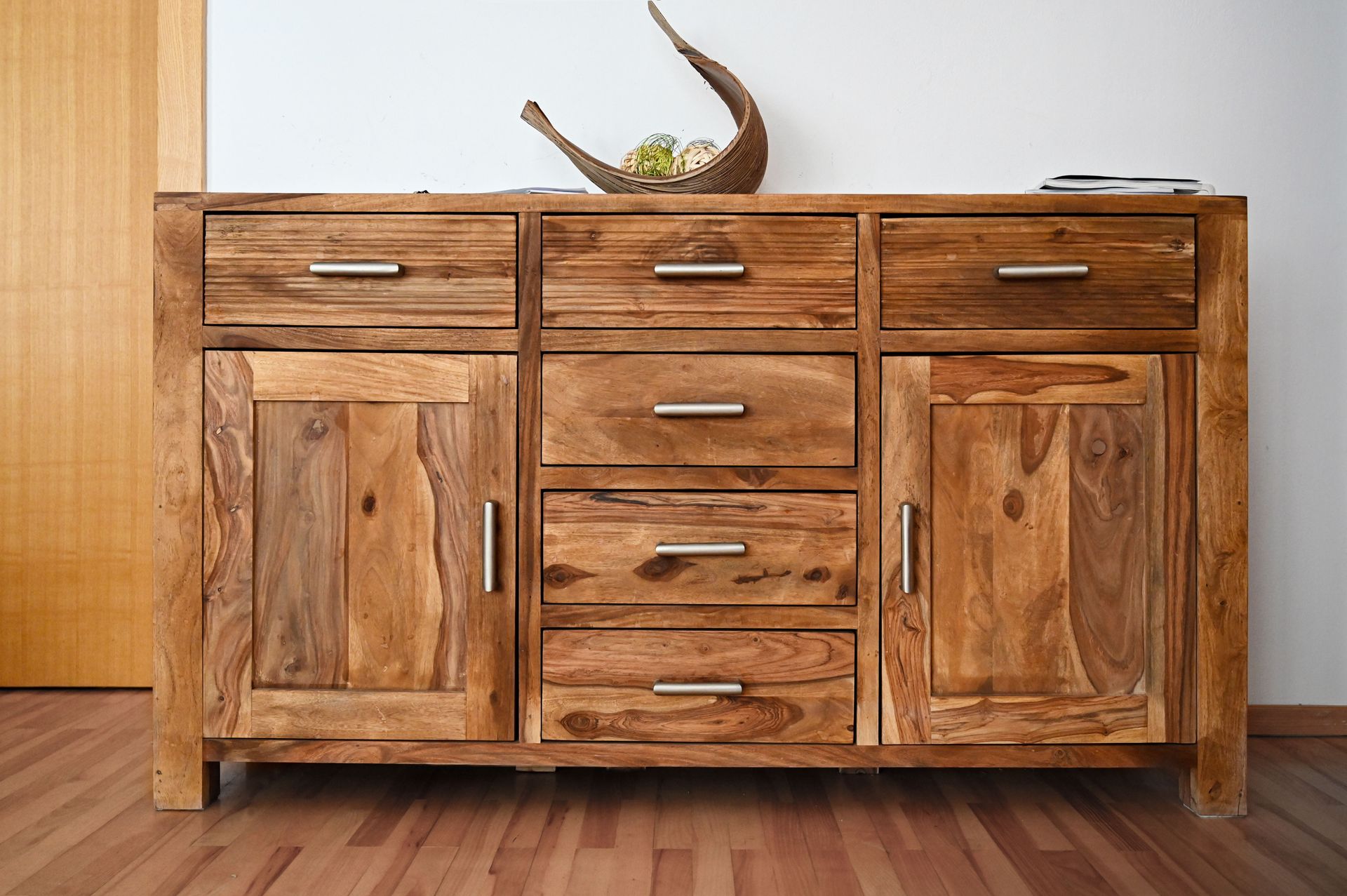
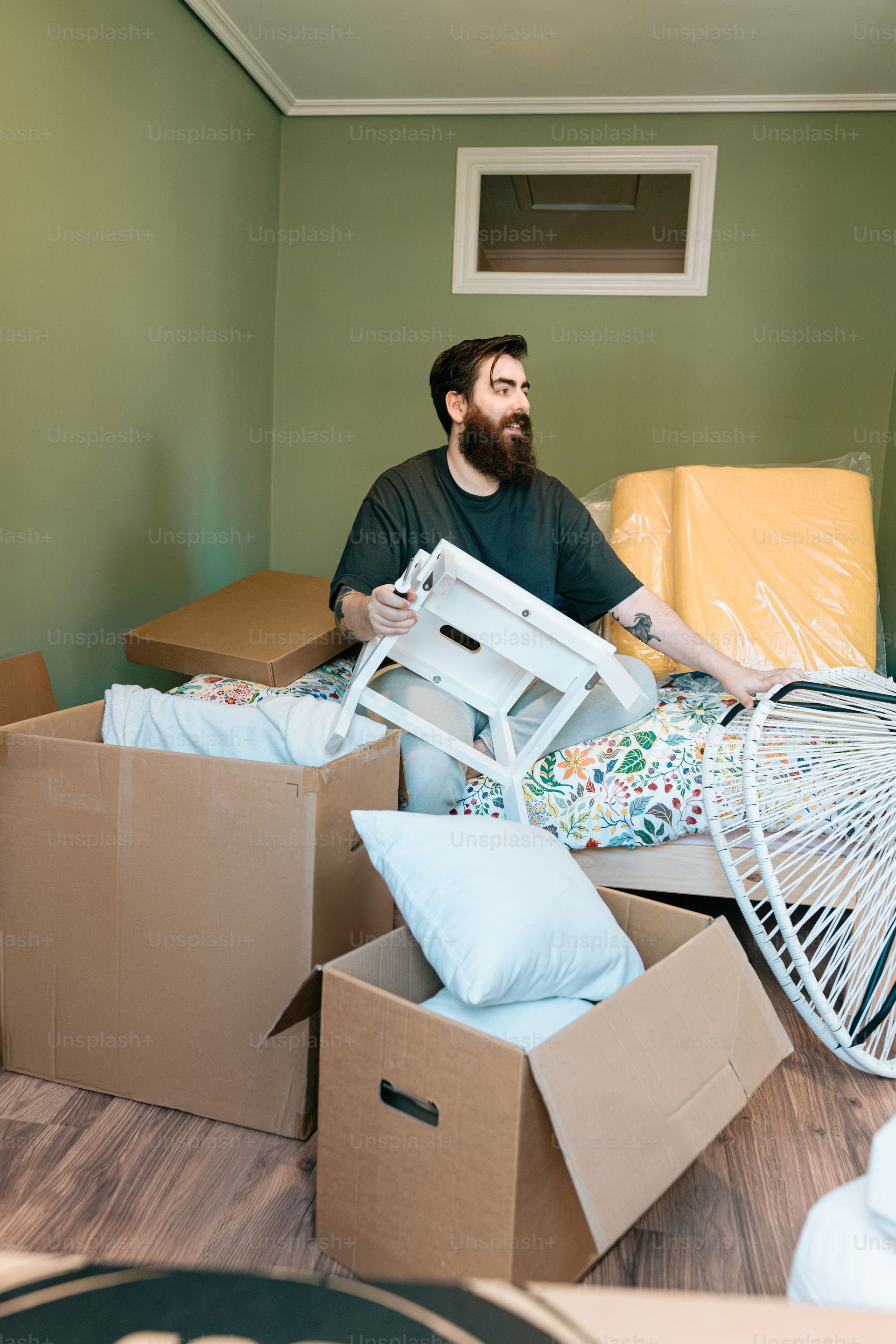
Interestingly, large furniture pieces can actually improve organization when used thoughtfully. Instead of treating furniture as obstacles, consider how each item might contribute additional storage functionality. Dressers, cabinets, and shelving units can hold lightweight belongings inside drawers or compartments. Tables may serve as platforms for stacked containers underneath and above them. Meanwhile, disassembling furniture whenever possible creates additional flexibility within the unit. Bed frames, table legs, and shelving systems often consume far less space when broken down carefully. Just remember to store hardware safely. Small labeled bags taped securely to furniture pieces can prevent missing screws and simplify reassembly later.
Keep Frequently Used Items Near the Front
One of the easiest ways to improve long-term organization is to think about retrieval frequency before packing the unit. Items used regularly should remain close to the entrance so they are easy to access. In contrast, long-term storage belongings can stay toward the rear without causing inconvenience. This becomes especially practical for Hart residents whose storage needs shift seasonally. Summer lake gear, hiking equipment, bicycles, and recreational supplies may need front access during warmer months. Later, snow equipment or winter tools can rotate forward instead. By organizing the unit around seasonal access patterns, you reduce unnecessary lifting and avoid repeatedly moving heavy boxes throughout the year.
Revisit and Maintain the Unit Periodically
Even the best-packed storage unit benefits from occasional maintenance. Over time, boxes may shift slightly, labels can fade, and seasonal needs may change. Therefore, periodic check-ins help keep the space functional and organized. During these visits, you can inspect for moisture concerns, reorganize seasonal items, and make sure pathways remain accessible.
This maintenance becomes especially valuable after harsh winters or humid summers. A quick inspection every few months can help identify small issues before they turn into larger problems. Additionally, keeping the unit clean improves the overall storage environment. Sweeping dust and removing debris helps preserve stored belongings while making future visits more manageable.
Packing Smarter the First Time
Packing a storage unit correctly requires more than simply fitting everything inside. It involves planning, organizing strategically, protecting belongings from environmental conditions, and creating a system that remains functional months later. Although it may take extra effort during move-in day, that preparation pays off repeatedly over time. Organized units are easier to navigate, safer for fragile belongings, and far less stressful whenever you need access to stored items.
For households managing seasonal equipment, recreational gear, furniture, or long-term household storage in Oceana County, exploring storage options in Hart, MI, can help create a more organized and flexible living space throughout the year.