What to Keep in Storage vs. What to Donate: A Smarter Approach to Decluttering Your Space
Decluttering is rarely just about “getting rid of stuff.” Instead, it becomes a process of deciding what still deserves a place in your life and what no longer fits your current routine. At first, it may seem simple, but once you begin sorting through years of belongings, the decisions can quickly become more complicated than expected.
That is where having access to reliable storage options in Hart can make a noticeable difference. Rather than forcing yourself to choose between keeping everything and letting go too quickly, storage gives you flexibility. You can hold onto items that still carry value without allowing them to overwhelm your living space. As you move through this guide, you will find that the goal is not perfection. Instead, it is about creating a system that helps you confidently decide what to keep in storage vs. what to donate, while also making your home feel more open, organized, and intentional.
Start With Purpose: Understanding Why You’re Keeping Something
Before diving into categories, it helps to pause and consider one important idea. Every item you keep should have a reason. Without that clarity, it becomes easy to hold onto things out of habit rather than intention. For example, many people keep items simply because they have always had them. However, when you take a closer look, you may realize that some of these belongings no longer serve a practical purpose. On the other hand, some items may not be used daily but still hold clear value, whether that value is financial, functional, or sentimental.
By starting with purpose, you naturally create a stronger foundation for the decisions that follow. Instead of asking, “Should I get rid of this?” you begin asking, “Does this still deserve space in my life, even if that space is in storage?”
What to Keep in Storage: Making Space Without Losing Value
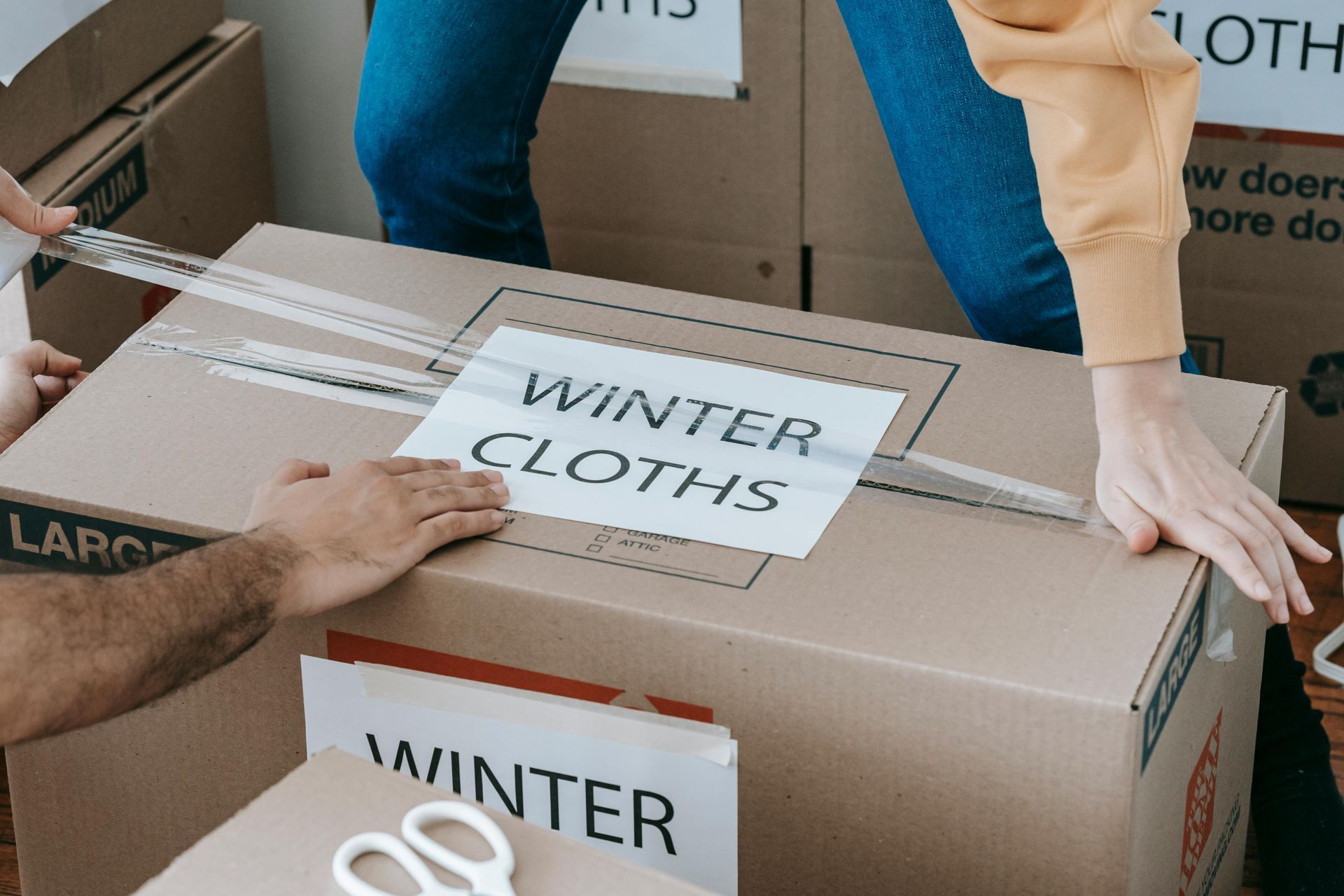
Once you begin thinking more intentionally, it becomes easier to identify which items belong in storage. These are typically belongings that still matter but are not needed daily. To begin with, seasonal items are one of the most practical things to store. Living near Hart, MI, means experiencing distinct seasonal changes, which naturally affect what you use throughout the year. During colder months, summer gear such as kayaks, patio furniture, or camping equipment may sit unused. Similarly, bulky winter gear can take up valuable space during warmer seasons. Storing these items allows you to rotate your belongings based on the time of year without overcrowding your home.
In addition, long-term or future use items are strong candidates for storage. Perhaps you have furniture intended for a future move, tools for occasional projects, or hobby equipment that cycles in and out of use. Even though these items are not part of your everyday routine, they still serve a clear purpose. Keeping them in storage ensures they remain available without becoming a daily obstacle. Another important category includes items that are expensive to replace. High-quality furniture, specialized equipment, and well-maintained appliances often fall into this group. Even if you are not currently using them, replacing them later could be far more costly than storing them properly now.
At the same time, it is important to store these items correctly. Protecting your belongings from moisture, dust, and pests is essential, especially in areas where seasonal changes can impact storage conditions. For practical guidance on safeguarding your items, this resource on keeping pests out of storage units provides helpful insights.
What to Donate: Letting Go With Confidence Instead of Hesitation
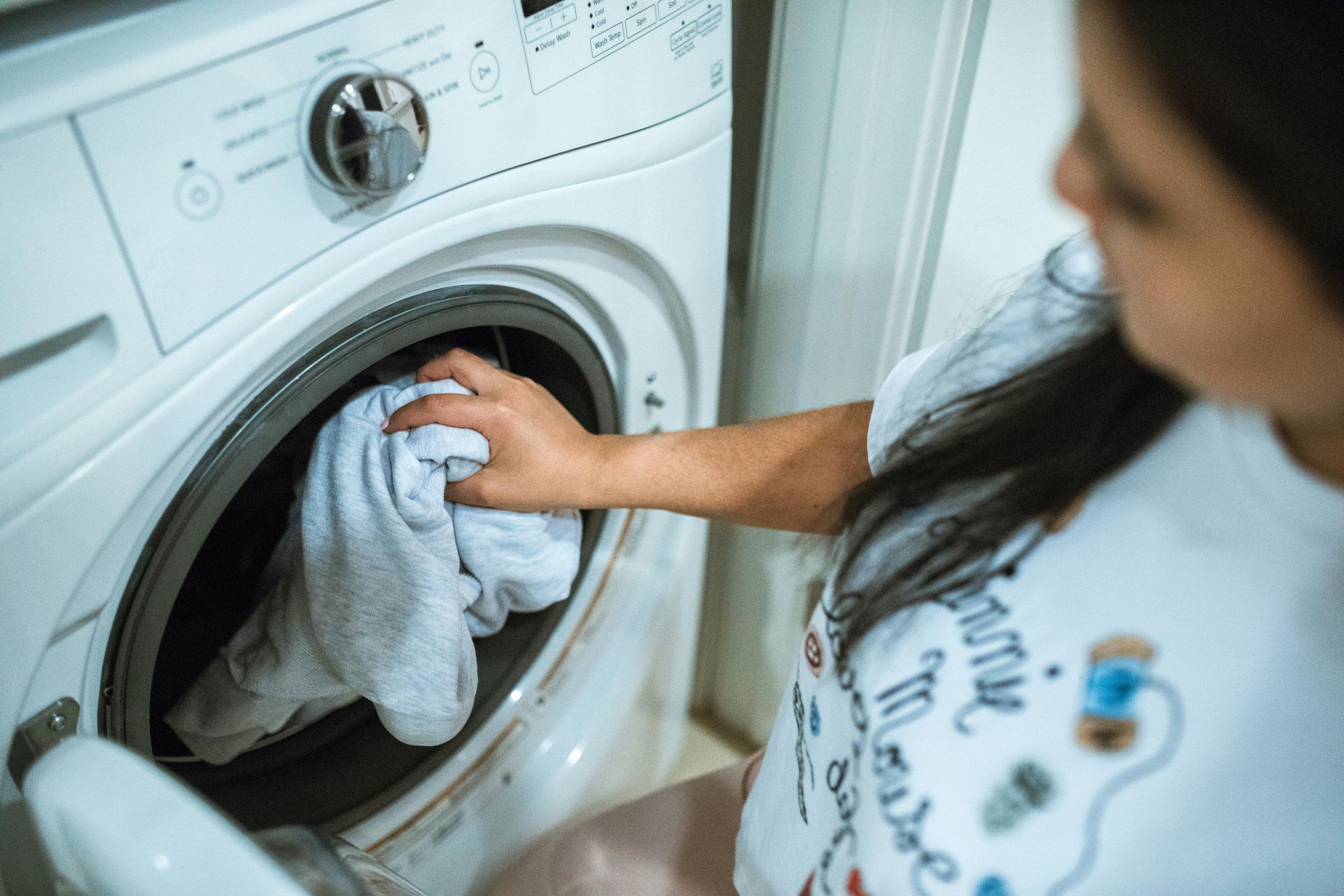
While storage offers flexibility, it is equally important to recognize when something no longer needs to stay with you at all. This is where donation becomes a meaningful option, both for your own space and for others who can benefit from what you no longer use. Clothing is often the easiest place to start. If something has not been worn in over a year and no longer fits your lifestyle, it is likely time to pass it along. Instead of letting it sit unused, donating it gives the item a second life.
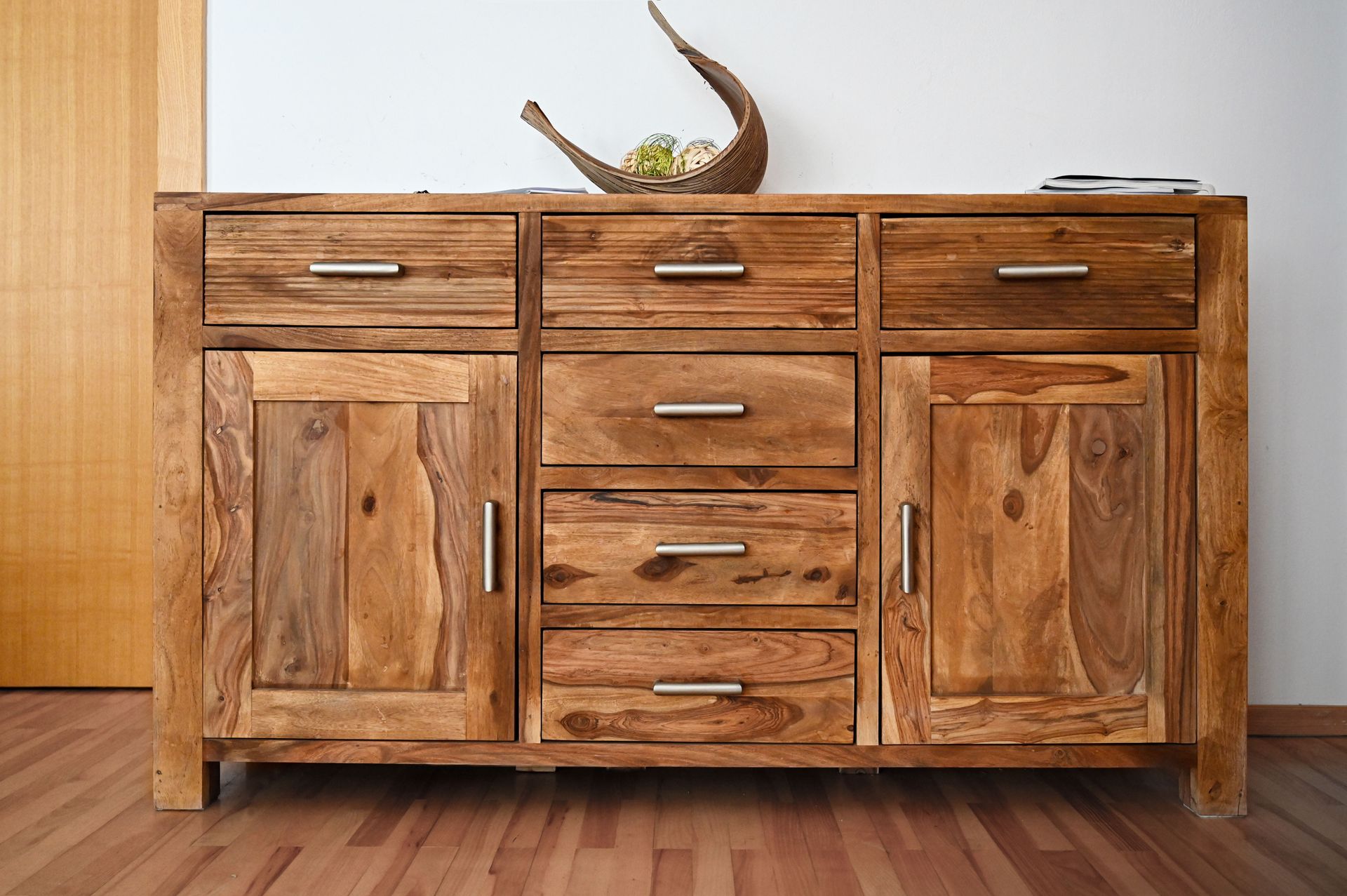
Similarly, household items tend to accumulate over time. Extra dishes, duplicate kitchen tools, and unused decor can quietly take up space without adding real value. When you take a step back, you may notice that many of these items could be more useful in someone else’s home. Furniture is another area where thoughtful decisions matter. Even if a piece is still in good condition, it may no longer align with your current space or style. Donating these items can help free up room while also supporting local organizations and families. According to the U.S. Environmental Protection Agency, donating usable goods helps reduce landfill waste and promotes reuse, which benefits both communities and the environment.
What to Throw Away: Knowing When It’s Time to Move On
Of course, not everything can or should be stored or donated. In some cases, the best decision is to let go completely. While this can be difficult, it is also one of the most freeing parts of the process. Items that are broken beyond repair, heavily worn, or no longer safe to use should be discarded. Holding onto them often creates unnecessary clutter without any real benefit. For instance, electronics that no longer function, furniture with structural damage, or expired household products typically fall into this category.
Additionally, items that could pose risks in storage should be handled carefully. Perishable goods, certain chemicals, and anything prone to attracting pests should not be kept in a storage unit. Letting go of these items not only clears space but also protects the condition of everything else you choose to keep.
Life in Hart, MI: How Your Environment Shapes Your Choices
Interestingly, where you live plays a significant role in what you should keep versus what you can let go. In Hart, MI, the lifestyle often revolves around outdoor recreation and seasonal activities, which naturally influences the types of belongings that remain useful. For instance, access to nearby lakes and trails makes items like fishing gear, camping supplies, and boating equipment worth keeping, even if they are only used during certain times of the year. The Michigan Department of Natural Resources highlights the wide range of recreational opportunities available throughout the region, reinforcing the value of holding onto these items.
At the same time, many homes in the area benefit from maximizing indoor space, especially when dealing with seasonal gear. This is where storage becomes particularly helpful. Instead of crowding your living space with off-season items, you can rotate them in and out as needed, creating a more comfortable and functional home environment.
Holding Onto Memories Without Holding Onto Clutter
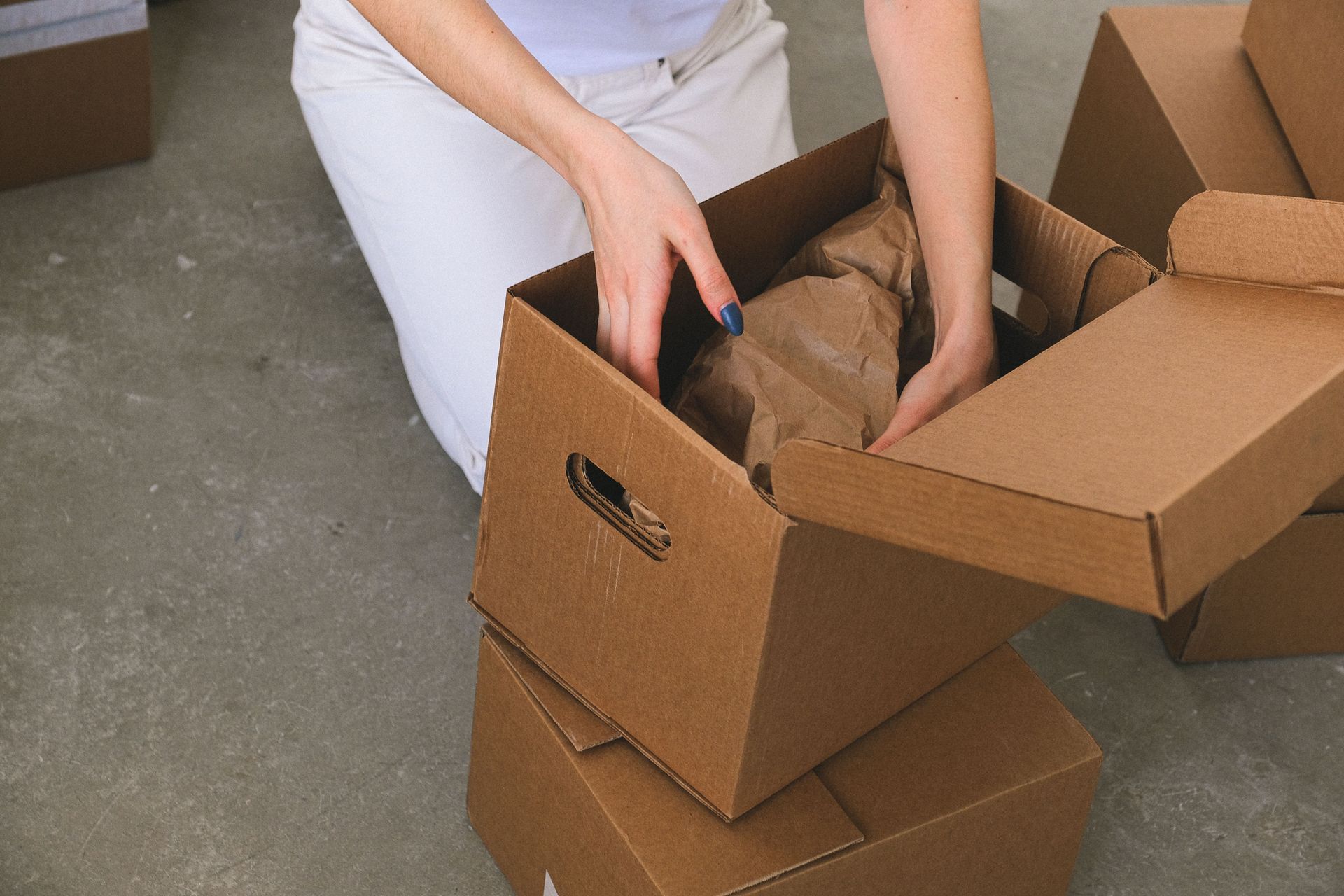
Sentimental items often present the biggest challenge. These are the belongings that carry emotional weight, making them difficult to part with even when they are rarely used. Rather than letting these items accumulate throughout your home, a more thoughtful approach is to store them properly. Family heirlooms, photographs, and important documents can be preserved in a way that protects their condition while keeping them organized and accessible.
However, proper packing is essential. Without the right materials and preparation, these items can become damaged over time. We recommend reading our guide about detailed tips on protecting meaningful belongings for valuable insight. By taking the time to store sentimental items correctly, you can honor their importance without allowing them to contribute to everyday clutter.
A Practical System: How to Make Decisions Without Overthinking
Even with clear categories, decision-making can still feel overwhelming. That is why having a simple, repeatable system can make the process much easier. When evaluating each item, consider asking yourself a few key questions:
- Have I used this recently, or do I realistically plan to use it again
- Does this item serve a clear purpose or hold meaningful value
- Would replacing it later be more difficult or expensive than storing it now
- Could someone else benefit from this item more than I currently do
Using Storage Intentionally Instead of Avoiding Decisions
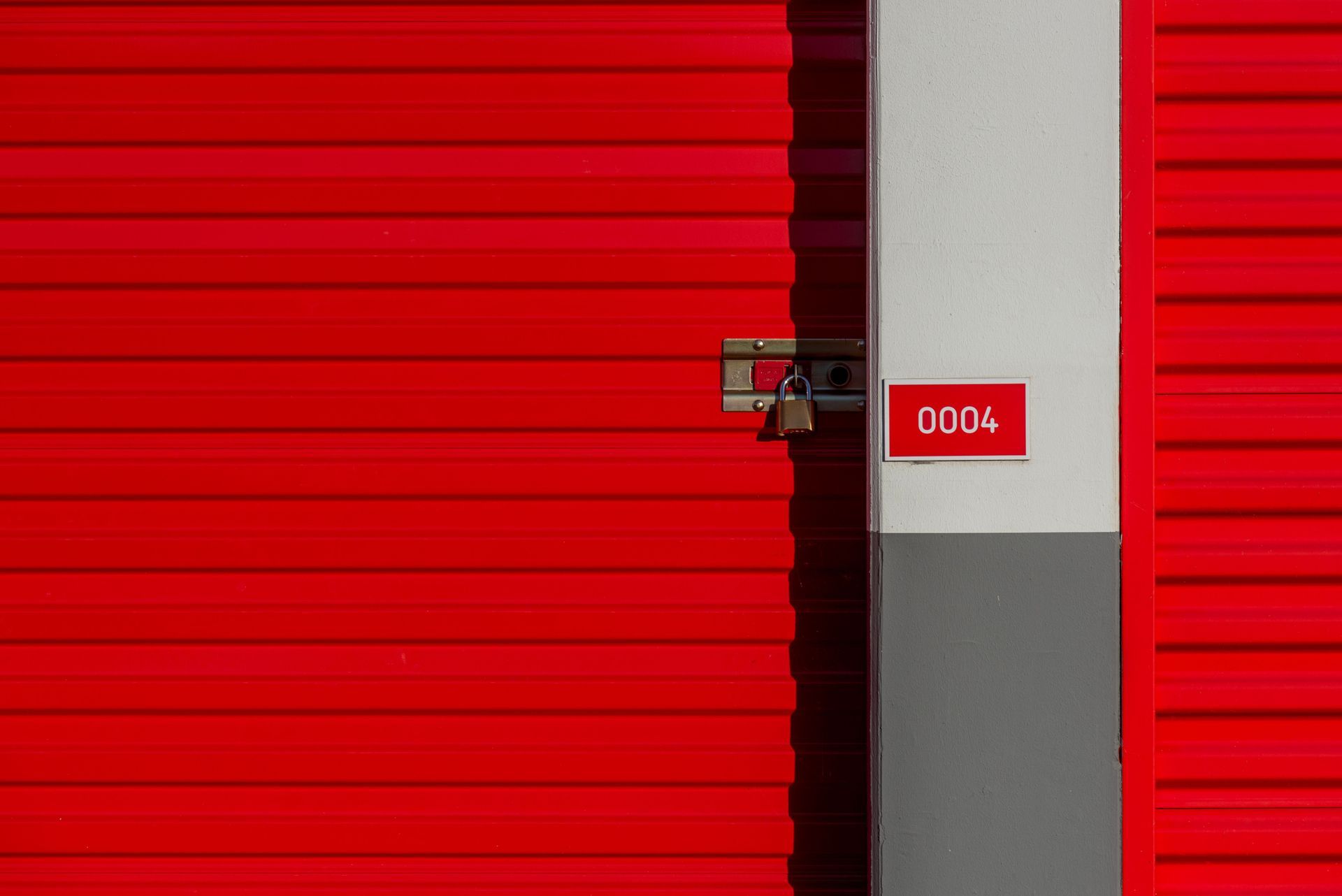
It is important to recognize that storage should not become a place where decisions are postponed indefinitely. Instead, it should function as a strategic extension of your home. When used intentionally, storage allows you to keep valuable items without sacrificing space or comfort. Organizing your unit properly, labeling boxes clearly, and grouping similar items all contribute to a more effective system.
Additionally, rotating items based on the season can help you stay connected to what you own. Rather than forgetting what is in storage, you maintain an active relationship with your belongings, bringing them in and out of your space as needed.
Creating a Home That Feels Lighter and More Functional
Ultimately, learning what to keep in storage vs. what to donate is about creating balance. It is not about minimizing everything, nor is it about holding onto more than you need. Instead, it is about making thoughtful choices that reflect your current lifestyle. As you begin to let go of items that no longer serve you, your space naturally becomes more open and easier to manage. At the same time, storing the items that still matter ensures that you are not sacrificing value for the sake of simplicity.
With accessible storage options in Hart, it becomes much easier to maintain that balance over time. You gain the flexibility to keep what matters, release what does not, and create a living space that truly supports your day-to-day life. In the end, decluttering is less about removing things and more about making room for what feels right moving forward.