Is Your Storage Unit a Mess Waiting to Happen? Here’s How to Pack Your Storage Unit Like a Pro
At first, packing a storage unit might seem like a straightforward task. You move your belongings in, stack a few boxes, and call it a day. However, without a clear plan, that same unit can quickly turn into a cluttered space where items are hard to find, fragile belongings are at risk, and valuable square footage goes unused. Over time, this disorganization can create frustration every time you need to retrieve something.
That is why learning how to pack your storage unit properly is so important. With a thoughtful approach, your unit can feel more like an extension of your home rather than a chaotic holding space. If you are currently exploring storage options in Hart, MI, having a strong packing strategy will help you maximize both convenience and protection from the very beginning.
Start with a Clear Strategy Before Anything Goes Inside
Before you even tape up your first box, it helps to take a step back and think about how your storage unit will function over time. Instead of simply reacting to the move, planning allows you to stay in control of the process and avoid unnecessary work later. For example, consider how often you will need certain items. Things you expect to access regularly should be placed toward the front of the unit, while long-term storage items can be positioned further back. Additionally, grouping similar items from the start makes it much easier to maintain order as time goes on.
At this stage, it is also helpful to evaluate what actually belongs in storage. Taking a moment to sort through your belongings can prevent overcrowding and reduce costs. A helpful resource, like what to keep in storage vs what to donate or throw away, can guide that decision and help you avoid storing items you may not need in the future.
Choose Quality Packing Materials That Work with You, Not Against You
Once you have a plan in place, the next step is selecting the right materials. While it might be tempting to reuse old boxes or mix and match container types, consistency plays a major role in how well your storage unit functions. Sturdy, uniform boxes make stacking safer and more efficient. When boxes are similar in size, they create stable columns that are less likely to shift or collapse over time. Plastic bins, on the other hand, can offer additional protection against moisture, which is especially useful in areas like Hart, MI, where seasonal changes can introduce humidity into the environment.
Michigan experiences a wide range of weather conditions throughout the year. Because of this, protecting your belongings from temperature and moisture fluctuations becomes even more important for long-term storage. In addition to containers, proper wrapping materials such as bubble wrap, packing paper, and furniture covers can prevent damage during both transport and storage. Filling empty spaces inside boxes also helps keep items from shifting, which reduces the risk of breakage.
Stack with Intention and Leave Room to Navigate
After packing your items securely, how you place them inside the unit makes a significant difference. Rather than simply filling every inch of space, it is important to think about both stability and accessibility. Start by placing heavier boxes and items at the bottom. This creates a solid base and prevents lighter boxes from being crushed. From there, build upward using a consistent stacking pattern. Keeping similar-sized boxes together allows you to create stable vertical columns. At the same time, resist the urge to pack the unit too tightly. Leaving a narrow walkway, either down the center or along one side, can make it much easier to access items later. This small detail often saves a considerable amount of time and effort in the long run.
A few simple stacking principles can help maintain order:
- Keep fragile items elevated and protected
- Avoid uneven stacks that could tip over
- Use vertical space without overloading the structure
- Place frequently used items within easy reach
Labeling Is What Turns Chaos into Organization
Even the most carefully packed unit can become difficult to navigate without proper labeling. That is why taking the time to label each box clearly is one of the most effective ways to stay organized. Instead of using vague descriptions, try to be as specific as possible. Include both the contents of the box and the area it belongs to, such as “kitchen utensils” or “winter clothing.” Labeling multiple sides of each box ensures that you can identify it no matter how it is stacked.
For an added layer of organization, you might consider numbering your boxes and keeping a simple inventory list. This approach allows you to locate items quickly without having to open multiple containers, which can be especially helpful as your unit fills up over time.
Protect Your Belongings from Pests and Environmental Risks
While storage facilities are designed to keep your items secure, there are still additional steps you can take to maintain their condition. Preventing issues before they arise is always easier than dealing with damage later. Start by avoiding anything that could attract pests, such as food or scented items. Sealing your belongings in durable containers adds an extra layer of protection. Moisture absorbers can also help maintain a dry environment inside your unit, especially during more humid months.
If you want a deeper look at prevention strategies, how to keep bugs and critters out of your storage unit, and protect your belongings offers practical insights that can help safeguard your items year-round.
Break Down Furniture to Unlock More Space
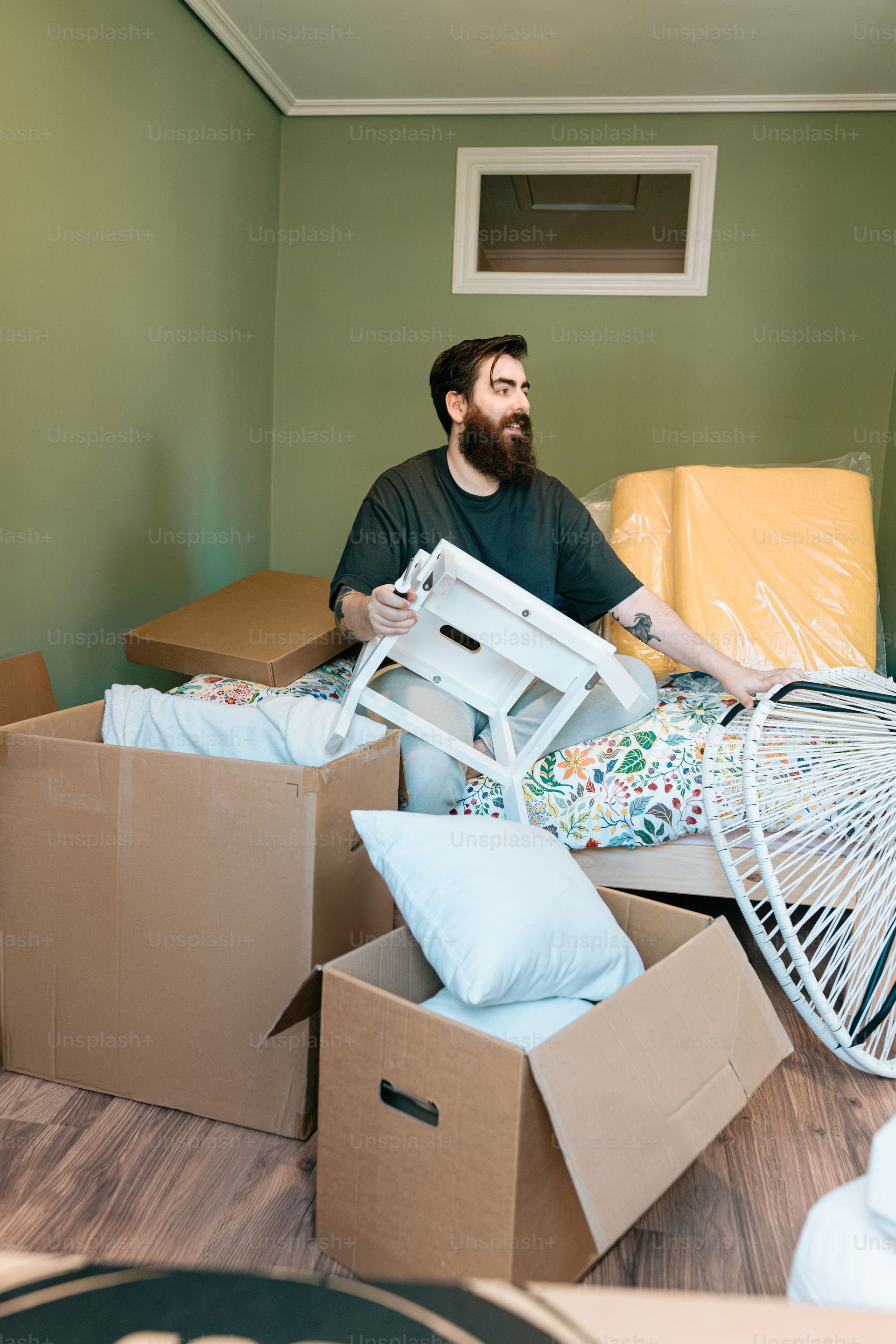
As you continue organizing your unit, you may notice that large furniture pieces take up more room than expected. Instead of working around them, breaking them down into smaller components can open up valuable space. Removing table legs, disassembling bed frames, and stacking chairs can significantly reduce the footprint of bulky items. Keeping screws and hardware in labeled bags, attached securely to the furniture, ensures that everything stays together for future reassembly.
Wrapping furniture in protective materials also helps prevent scratches, dust buildup, and general wear while in storage. This extra step keeps your items in better condition and makes moving them later much easier.
Consider How Life in Hart, MI Shapes Your Storage Needs
One of the unique aspects of storing items in Hart, MI, is the strong connection to outdoor recreation. With nearby attractions like Silver Lake Sand Dunes and Lake Michigan, many residents own seasonal equipment that rotates throughout the year. It highlights the popularity of activities such as boating, hiking, and off-road exploration in the region. Because of this, storage units often serve as a home for gear that is only used during certain seasons.
To keep these items in good condition, it is important to clean and dry them thoroughly before storage. Organizing them near the front of your unit also makes seasonal transitions smoother, allowing you to swap items in and out without disrupting the rest of your setup.
Create Dedicated Zones to Keep Everything in Order
As your storage unit begins to fill, it can be helpful to think of it as a series of smaller sections rather than one large space. Dividing your unit into zones based on categories creates a more intuitive layout and makes it easier to locate items quickly. For instance, you might designate one area for household goods, another for seasonal equipment, and another for documents or valuables. Over time, this system helps prevent clutter from building up and keeps your storage unit organized without requiring constant effort. Even a simple mental map of your zones can make a noticeable difference when you need to retrieve something.
Revisit Your Storage Setup as Your Needs Change
Packing your storage unit is not something that should be done once and forgotten. As your lifestyle changes, your storage needs will likely evolve as well. Checking in on your unit periodically allows you to make adjustments and keep everything in order. For example, you might rotate seasonal items, reorganize boxes, or remove belongings you no longer need. Taking a few extra minutes to maintain your system each time you visit your unit can prevent it from becoming disorganized again. This ongoing attention ensures that your storage unit continues to work for you rather than against you.
Turn Your Storage Unit into a Long-Term Solution
Ultimately, learning how to pack your storage unit like a pro is about creating a system that supports both convenience and protection. When everything has its place and is packed with care, your storage unit becomes a reliable space that you can depend on over time. By combining thoughtful planning, quality materials, and consistent organization, you can avoid common storage frustrations and make the most of every square foot. If you are considering storage options in Hart, MI, applying these strategies will help ensure that your belongings remain accessible, protected, and easy to manage, no matter how long they stay in storage.